


KEY FACTS
WHAT HAPPENED? The Iran conflict has sent fuel, food, and fertilizer prices surging across Africa
WHY IT MATTERS? Africa’s heavily indebted, import-dependent economies are among the least equipped to absorb the shock
WHAT’S NEXT? If hostilities resume, it could push already disgruntled African youth to the brink
A Continent That Can’t Afford It
An Accra Technical University student takes the bus to school every day. It’s become such a staple of his routine that he already knows the exact price by heart. It was thus to his shock when, last week, he found that the price of the bus ticket had suddenly risen.
Why? The Iran war, thousands of miles away, is quietly making not only bus fares but bread, cooking gas, tea, and a whole host of other products far more expensive across a continent of 1.4 billion people.
The Middle East is far from the only region watching the next developments in the Iran crisis. In Ghana, fuel prices spiked 15-19% early this month. Meanwhile, on the other side of the continent, nearly 8 million kilograms of tea are trapped in Kenya due to the Strait of Hormuz closure, prompting weekly revenue losses of close to $8 million.
While these reverberations are being felt worldwide, countries across Africa are among the least equipped to absorb them. The World Bank says external debt service has more than doubled in Africa over the last decade and reached 2% of GDP in 2024.
The IMF warns that a sustained 10% energy price rise adds roughly 40 basis points to global inflation. That speaks trouble for Sub-Saharan Africa, which the World Bank projects will see median inflation of 4.8% this year.
For low-income households spending the bulk of their income on food and energy, “moderate” inflation isn’t moderate at all. This is especially true for large food and fuel importers like Egypt and Ethiopia, which are far more exposed to ongoing energy shocks. Egypt has already been forced to increase imports of Libyan energy to compensate for disruptions to Kuwaiti supply chains.
The Generation Watching Closely
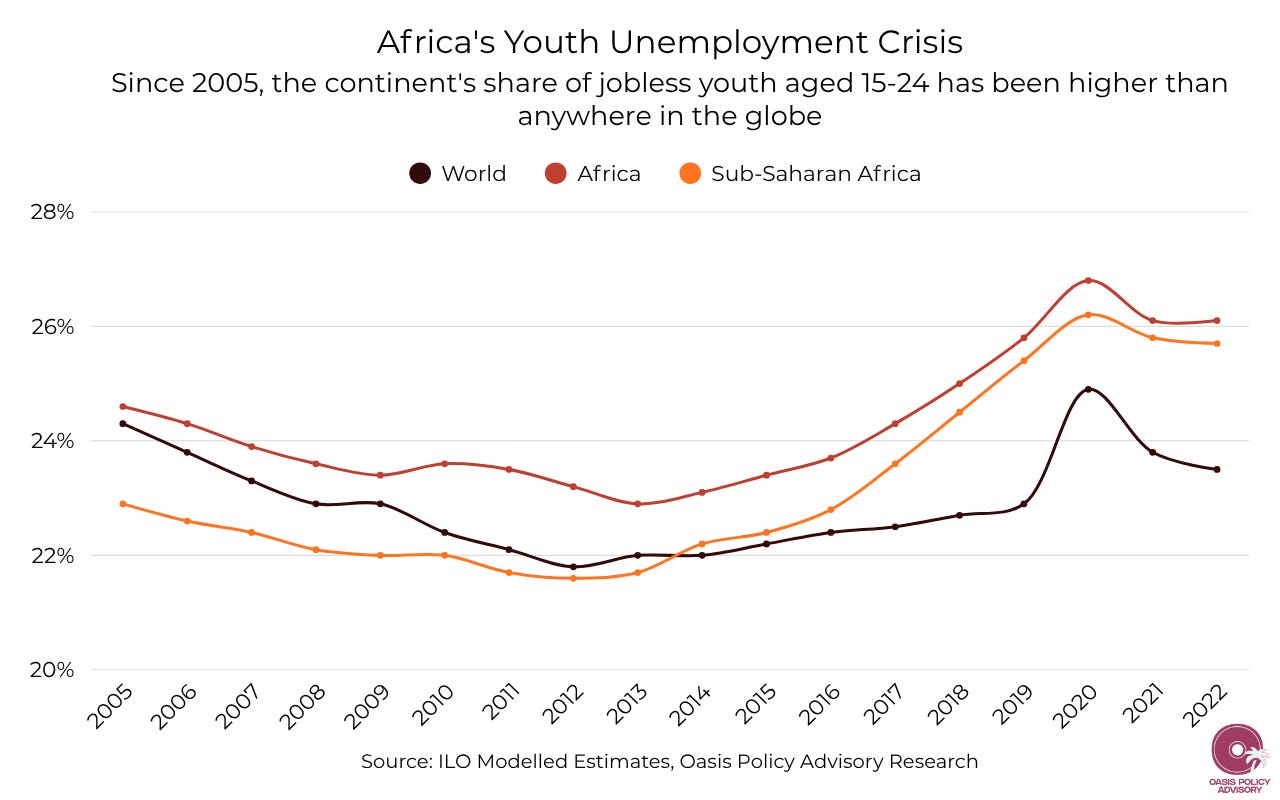
The people absorbing these pressures most acutely are also the most politically combustible. Africa is home to the world’s largest youth population; over 60% of the continent is under 25, and UN Africa Renewal projects that number to double to over 830 million by 2050.
Yet this youth explosion has not been matched with economic opportunity. The African Development Bank reports that a third of Africans aged 15 to 35 are unemployed. Even South Africa, the continent’s largest economy by GDP, recorded a youth unemployment rate of 60.2%, the highest in Sub-Saharan Africa.
Global shocks have consistently amplified these difficulties. The Russia-Ukraine war, for instance, stressed African food imports significantly: prior to the conflict, 27% of Ukrainian wheat exports were delivered to North Africa, sparking food insecurity across the region.
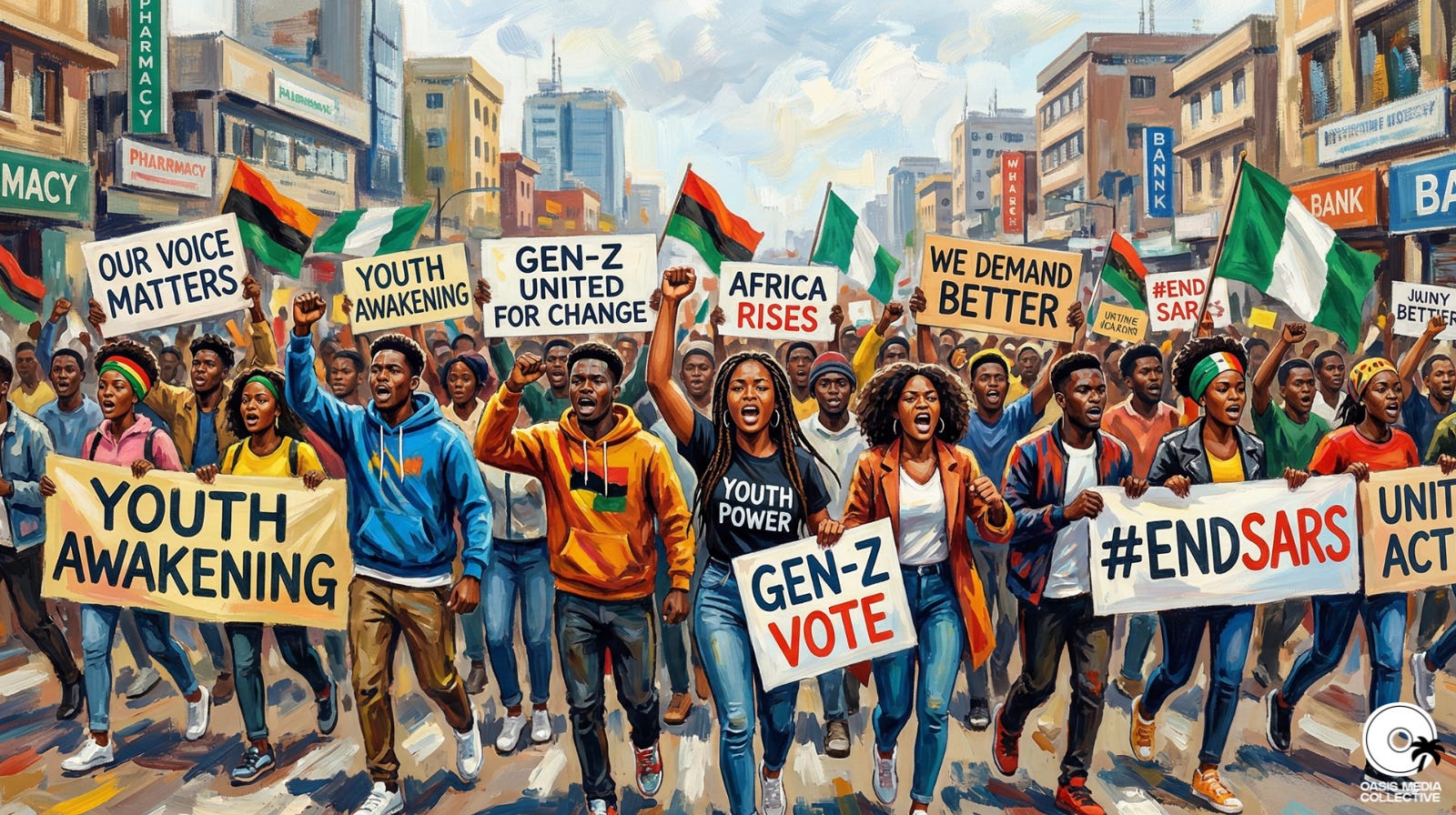
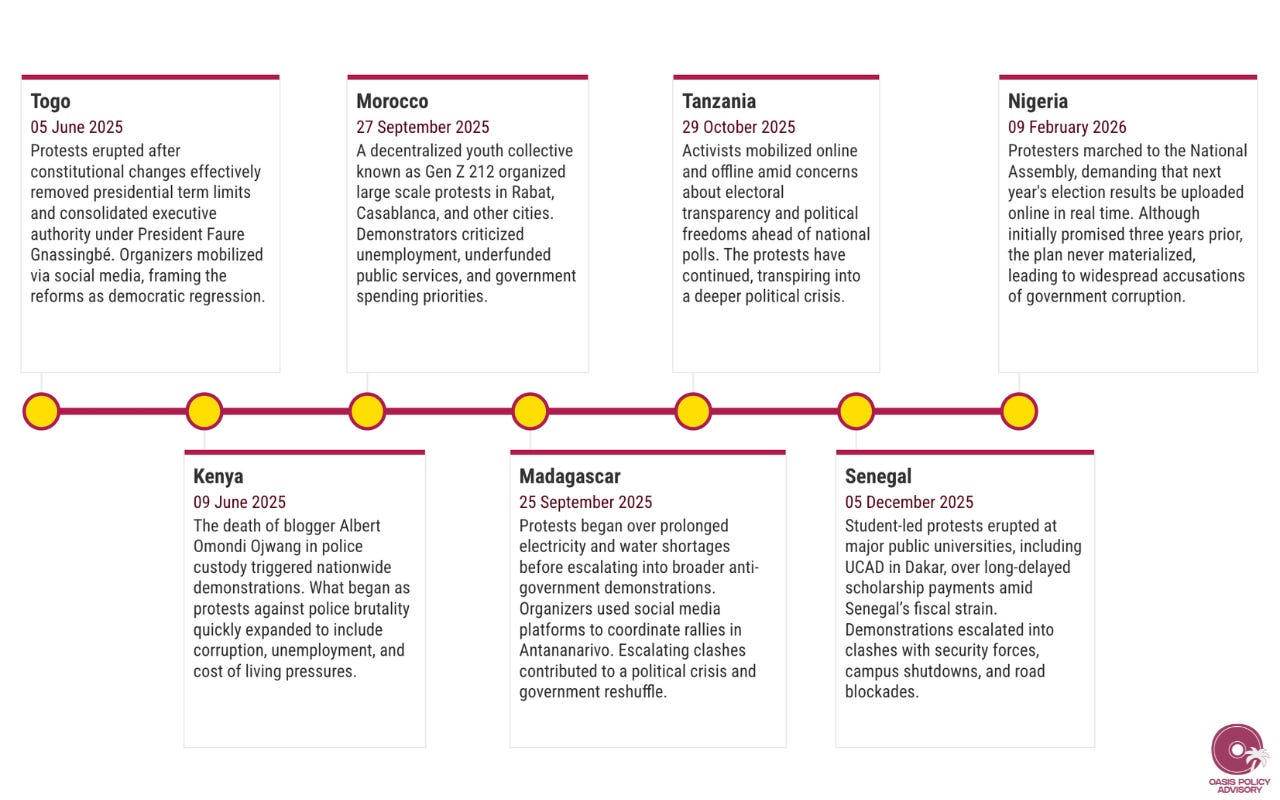
Since then, youth across the continent have taken to the streets. In Morocco last September, mass protests erupted over the Kingdom’s $41 billion investment into stadium infrastructure for the 2030 FIFA World Cup, over necessary safety net services, like healthcare. In Kenya, 2024 produced over 1,800 recorded demonstrations, uniting students, health workers, and teachers alongside the TikTok generation. The domino fell elsewhere too: Togo, Tanzania, Nigeria, and beyond.
African youth are hyperaware of how their futures are being shaped by socioeconomic pressures, a fire that the Iran crisis is throwing more gasoline on.
How Bad Could It Get?
African governments are watching Pakistan’s role in mediation closely for signals on what comes next. If the ceasefire holds but tensions persist—keeping Iran’s grip on the Hormuz tight—oil prices will remain elevated and inflation will rise gradually, leaving states like South Africa increasingly vulnerable.
If fighting resumes and air strikes return, import-dependent Sahel countries will be hit hardest. A scenario in which Houthi attacks on Red Sea shipping vessels resume alongside Hormuz disruptions could stifle close to 30% of global oil trade, a shock African economies have no buffer to absorb.
Whether it’s the student in Ghana trying to get to class or the Kenyan farmer watching his tea pile up, the people most exposed to this war aren’t in the Middle East. They are the same people who already showed they won’t stay quiet.
The price of oil is, in that sense, also the price of political patience.
This reporting may be cited with attribution to Oasis Media Collective. For licensing, republication, or extended use, contact here.