


Welcome to the Monday edition of Insights Dispatch, our flagship brief overviewing the three latest geopolitical & market developments connecting the Middle East & Africa to the world
ETHIOPIA: Electricity Generation Capacity Doubles
WHAT HAPPENED?
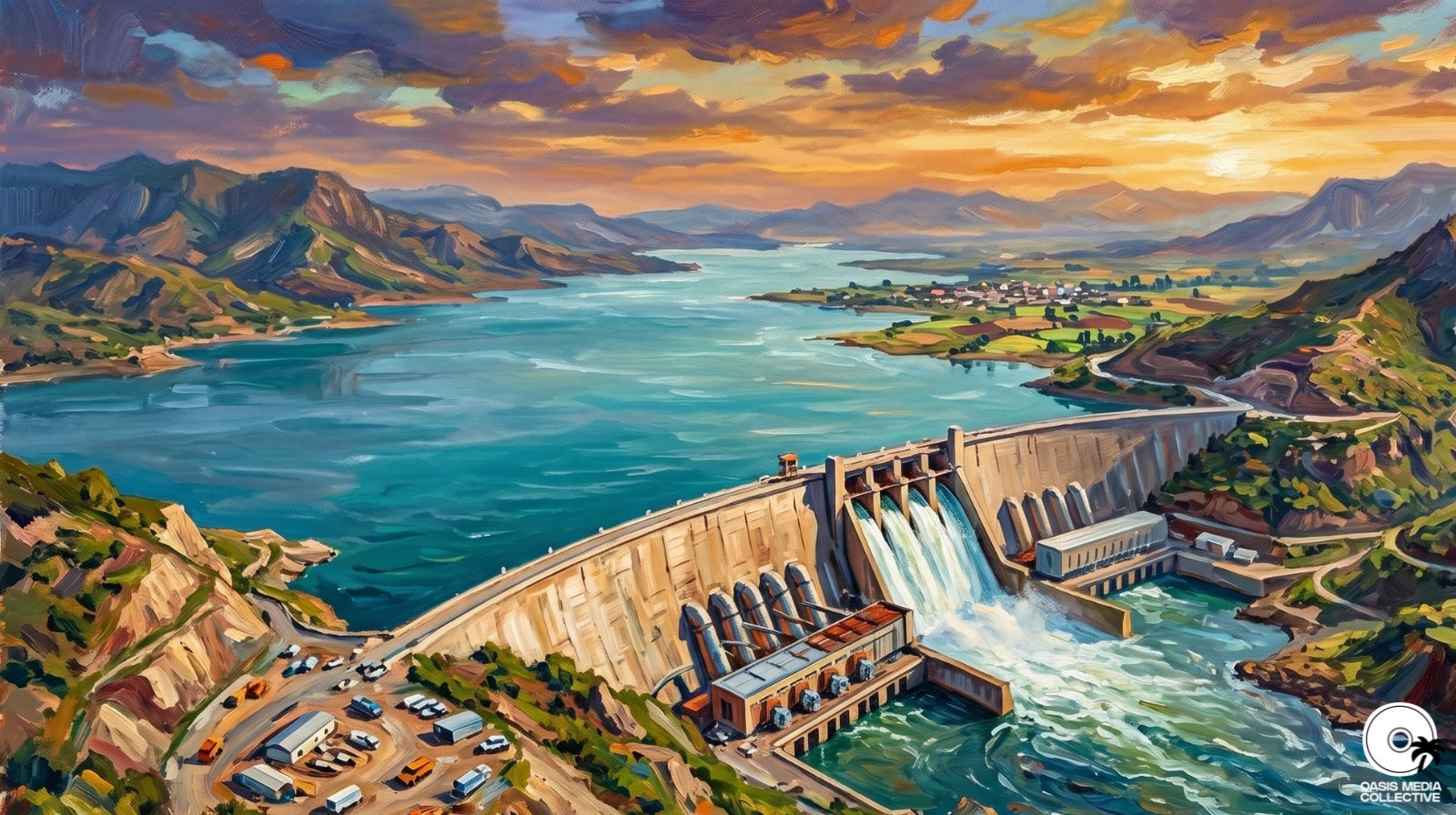
Ethiopian state-run media reported that the country’s electricity generation capacity has doubled over the past seven years, rising from 4,462 megawatts to 9,752 megawatts. Simultaneously, access to electricity across the rose rose from 44% to 54%.
WHY IT MATTERS?
African countries have invested significantly into renewable energy to diversify their energy sources away from fossil fuels. Ethiopia’s recent successes are emblematic of this wider trend, positioning Addis Ababa to become a lead renewable energy provider for the rest of East Africa.
WHAT’S NEXT?
The Grand Ethiopian Renaissance Dam, opened last September, has played a key role in Ethiopia’s renewable energy strides. Neighboring countries are likely to turn to Addis Ababa for alternative energy, although tensions still remain elevated over the dam between it and Egypt.
LIBYA: Crude Output At Highest Level Since 2013
WHAT HAPPENED?
The Libyan National Oil Corporation (NOC) announced that April production levels hit 1.4 million barrels a day, of which an estimated 1.2 million were exported, a record high not seen since 2013. NOC also revealed that its oil revenue rose from $1 billion in February to $2.9 billion in April.
WHY IT MATTERS?
Libya is home to the world’s ninth largest oil reserves and largest in Africa. A decade of civil war throughout the 2010s stifled the country’s energy sector, but Tripoli is now set to make a comeback. Not only has the country recently settled oil agreements with energy giants such as Chevron, but neighboring countries such as Egypt have also turned to it for energy imports as Gulf energy sources become limited.
WHAT’S NEXT?
As the Iran crisis continues, European states are likely to turn to North Africa as an alternative energy supplier. Already, Spain and Italy are deepening oil trade ties with Algeria; others are likely to follow with Libya.
ANGOLA: Lobito Corridor Undergoing Financing Round of Over $3 Billion
WHAT HAPPENED?
The African Finance Corporation (AFC) announced that it is in active negotiations with at least ten African and foreign financiers to raise $3-5 billion for the Lobito Corridor project. Stakeholders include South Africa’s Standard Bank, pan-African lender Ecobank, and Wall Street’s Citibank.
WHY IT MATTERS?
The Lobito Corridor represents the most ambitious Western investment push in Africa’s mineral sector, acting as a hedge against China’s Tanzania-Zambia railway. The railway project will also act as a key revenue source for Angola’s economy as part of its diversification away from oil.
WHAT’S NEXT?
AFC stated that it would launch the financing effort in the third quarter of this year with the aim of a financial close in the fourth quarter of 2027. The Lobito Corridor is aiming to complete construction by 2030.
This reporting may be cited with attribution to Oasis Media Collective. For licensing, republication, or extended use, contact here