

Has South Africa Aligned with China Over America?
Oasis Media Collective | Explainers Wire | February 9, 2026

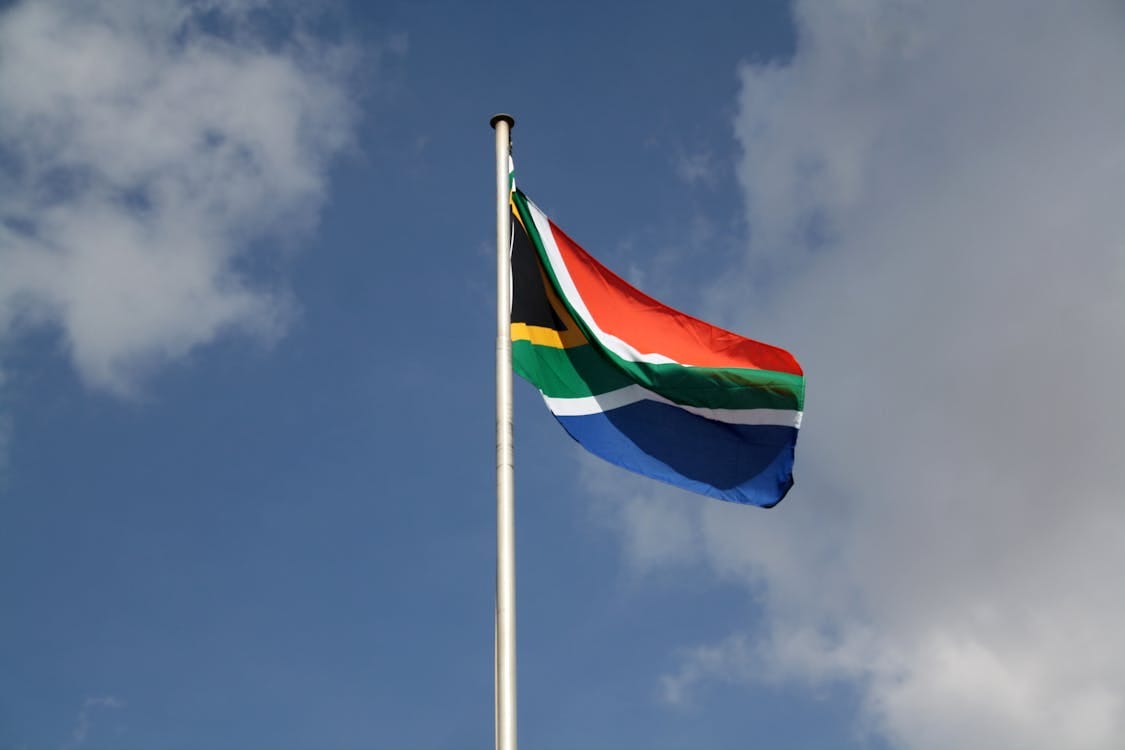
What Happened
Last Friday, South Africa confirmed it has begun formal negotiations with China to establish a new bilateral trade framework. This move comes as a direct response to increased U.S. tariffs imposed on South African exports throughout 2025, which have significantly impacted key industries including metals, wine, and manufactured goods.
The proposed agreement aims to eliminate tariffs on major South African exports—particularly agricultural products, minerals, and select manufactured goods—while encouraging substantial Chinese investment across mining, technology, and industrial infrastructure sectors. South African officials indicated that a formal framework could be signed within weeks to months, marking a decisive shift in the country’s trade strategy away from traditional Western markets.
Why It Matters
This trade pivot represents more than an economic adjustment; it signals South Africa’s strategic repositioning in an increasingly multipolar global economy. China is already South Africa’s largest single trade partner in Africa, and formalizing preferential arrangements would deepen institutional ties that could reshape regional economic dynamics.
Pretoria’s ties with Washington have been uneasy since Donald Trump assumed the presidency last January. Not only has South Africa taken a critical stance against U.S. ally Israel over the ongoing war in Gaza, but has also deepened engagements with BRICS countries, including Iran, prompting American backlash. Additionally, the U.S. placed a 30% tariff on South Africa last August, the highest in all Sub-Saharan Africa; the country’s wine industry—of which the U.S. is the fourth biggest importer—has been particularly damaged as a result.
Geopolitically, the agreement illustrates the growing trend of African nations hedging their bets amid U.S.–China tensions. However, it also carries risks: deepening Chinese ties may strain relations with the U.S. and European Union if perceived as abandoning Western partnerships. South Africa is attempting a delicate balancing act—maintaining access to Western markets while securing Chinese economic support—a model that other emerging economies are watching closely.
What’s Next
In the coming months, both governments are expected to finalize the framework, detailing specific tariff exemptions, investment guarantees, and sectoral agreements. Implementation will likely begin with rolling out preferential tariffs on select exports and launching new Chinese-backed projects in priority sectors.
The agreement’s ripple effects will extend beyond South Africa’s borders. For the region, Pretoria’s move may influence neighboring Southern African Development Community (SADC) countries and African Continental Free Trade Area (AfCFTA) members to pursue similar arrangements, potentially establishing South Africa as a regional hub for Chinese economic engagement.
Meanwhile, South Africa faces the complex challenge of managing this transition without triggering economic retaliation from Western partners—a diplomatic tightrope that will test the country’s ability to maintain strategic autonomy while navigating an increasingly fractured global trade landscape.
This reporting may be cited with attribution to Oasis Media Collective. For licensing, republication, or extended use, contact here.