


What Happened
South African Defense Minister Angie Motshekga has launched an official inquiry into how Iranian warships participated in the “Will for Peace 2026” naval exercise, held January 9-16 off South Africa’s coast. The investigation centers on whether Iranian vessels were included despite President Cyril Ramaphosa ordering their exclusion from the multinational drill.
The exercise brought together naval forces from BRICS and BRICS Plus nations, including China and Russia, ostensibly for maritime safety and rescue operations. The drills took place in South African territorial waters and were designed to demonstrate coordination among the bloc’s military forces. However, Iran’s presence has transformed what was meant to be a routine multilateral exercise into a diplomatic flashpoint.
The U.S. Embassy in Pretoria issued a sharp rebuke, calling Tehran a “destabilising force” and state sponsor of terrorism. American officials questioned how South Africa could host Iranian military forces in its waters while Iran’s security apparatus stands accused of violently suppressing domestic protests.
Motshekga is now investigating whether presidential directives regarding Iran were misinterpreted or deliberately ignored by military officials. The inquiry will examine the chain of command and decision-making processes that led to Iranian participation. Opposition parties, including the Democratic Alliance, have seized the controversy, accusing the government of undermining South Africa’s international standing and compromising its traditionally non-aligned foreign policy stance; they argue that the incident damages Pretoria’s credibility as an impartial actor in global affairs.
Why It Matters
In an increasingly multipolar world, countries such as South Africa aspire to walk a tightrope: establishing new trade agreements with Washington one day, signing infrastructure deals with Beijing the next. Yet this incident highlights just how thin that tightrope has become.
Pretoria is attempting to strengthen ties with market partners like China, Russia, and Iran, while simultaneously maintaining productive relationships with Western powers, particularly the U.S., one of South Africa’s largest trading partners and sources of foreign investment, with trade between the two reaching a high of $17.8 billion in 2019.
The controversy risks damaging South Africa’s carefully cultivated image as a neutral mediator on the global stage, a role it has played in various international disputes. This reputation is a key diplomatic asset that allows Pretoria to punch above its weight in international forums. The Iranian warship incident suggests that South Africa’s balancing act may be becoming unsustainable as global polarization intensifies and countries face pressure to choose sides.
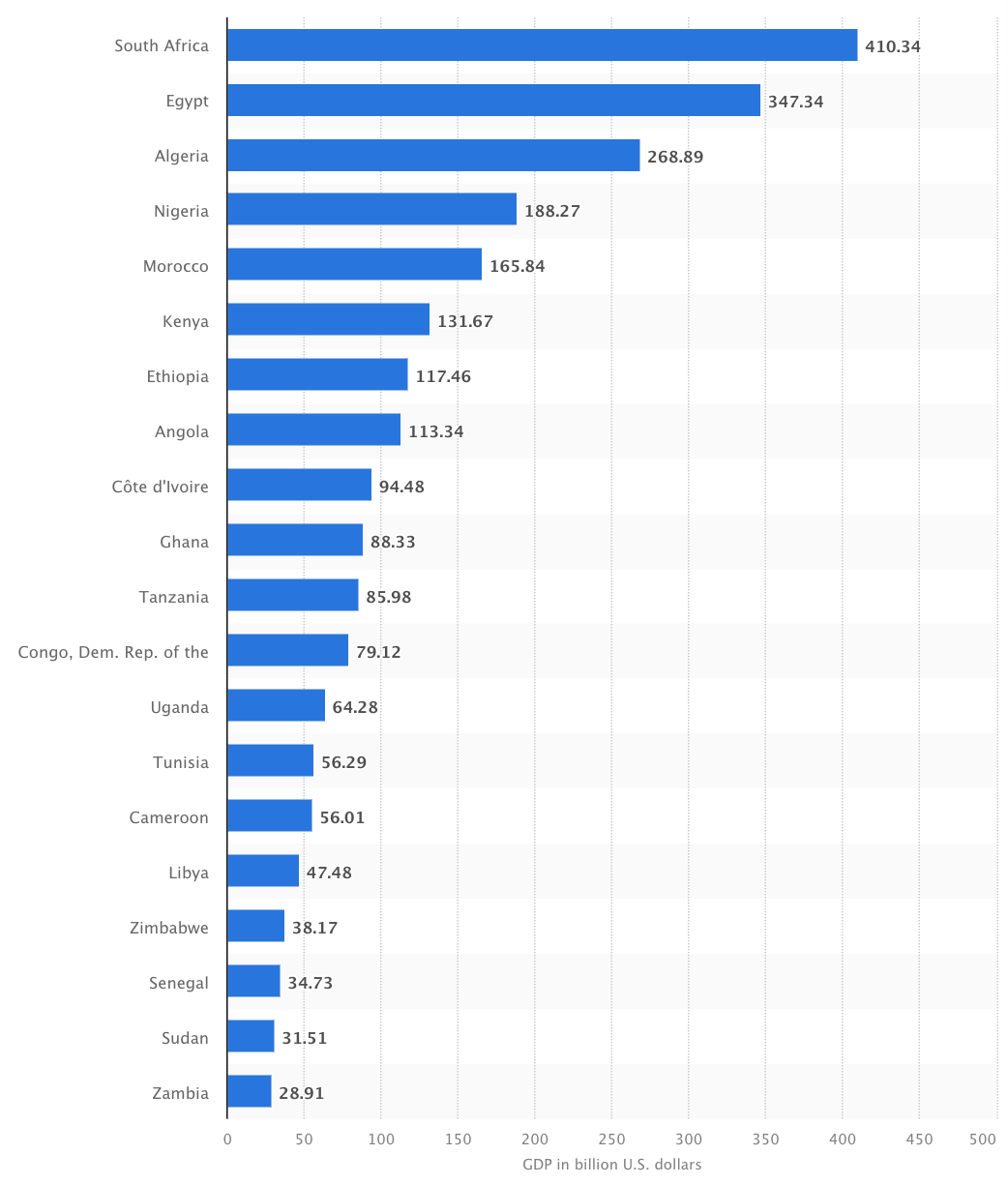
South Africa’s global maneuvering and balancing of relations between the West and the East has long made it an attractive destination for global investors. Boasting Africa’s strongest economy at a GDP of $426.38 billion, international businesses view Pretoria’s diplomatic balancing act as a key reason for its economic resilience in an otherwise risky and unstable market environment. Yet controversies such as these undermine that perception, creating heightened anxiety for investors when looking toward South Africa.
What’s Next
If the inquiry reveals that military officials defied presidential orders, it could expose concerning gaps in civilian oversight of the armed forces and raise questions about the government’s control over its own defense apparatus. Such a revelation would be particularly troubling given South Africa’s history and its constitutional commitment to civilian supremacy over the military.
Alternatively, if the investigation shows that Ramaphosa’s administration tacitly approved or turned a blind eye to Iranian participation, it would signal a potential shift toward closer alignment with countries at odds with the West. This could have significant economic consequences, including potential complications for South Africa’s trade relationships.
Already, the closing of the African Growth and Opportunity Act—a trade legislation introduced in 2000 providing eligible Sub-Saharan African countries with duty-free access to the U.S. market for over 1,800 products—has threatened Pretoria’s economic relations with Washington. These relations have only been further strained by a 30% American tariff placed on South Africa last August, the highest rate in all of Sub-Saharan Africa. The country’s wine industry—of which the U.S. is the fourth biggest importer—has been particularly damaged by the tariff, citing a “severe disadvantage” as a result. Diplomatic spats such as this ongoing controversy threatens additional economic constraints on key industries for Pretoria, potentially pushing it closer to BRICS nations.
Beyond the economic, the inquiry’s conclusions could have significant political ramifications within South Africa. Opposition parties are likely to use the findings to strengthen their criticism of the ruling ANC’s foreign policy approach, particularly if evidence emerges of poor coordination or deliberate circumvention of presidential authority. This could become a campaign issue as South Africa approaches future elections.
Diplomatically, South Africa may face mounting pressure to clarify its stance on Iran and demonstrate accountability to both BRICS partners and Western allies. The government will need to decide whether to issue a formal explanation or apology to the U.S., and whether to implement new protocols for approving participation in future military exercises.
More broadly, the incident may force South Africa—and the African continent as a whole—to confront a fundamental question about its foreign policy direction: can it continue to maintain its non-aligned stance in an increasingly polarized world, or will it eventually need to make harder choices about which partnerships to prioritize? The answer to that question will shape South Africa’s role in global affairs for years to come.
Oasis Media Collective goes where the headlines don’t by reporting on overlooked geopolitical dynamics with a data-driven lens. Follow for more to receive our deep dive reporting and visual storytelling.
Have questions or want to discuss opportunities directly? Connect with us here.