

Zimbabwe | Cabinet Approves Parliamentary Selection System, Entrenching Mnangagwa's rule
Oasis Media Collective | Southern Africa Wire | February 12, 2026

KEY FACTS
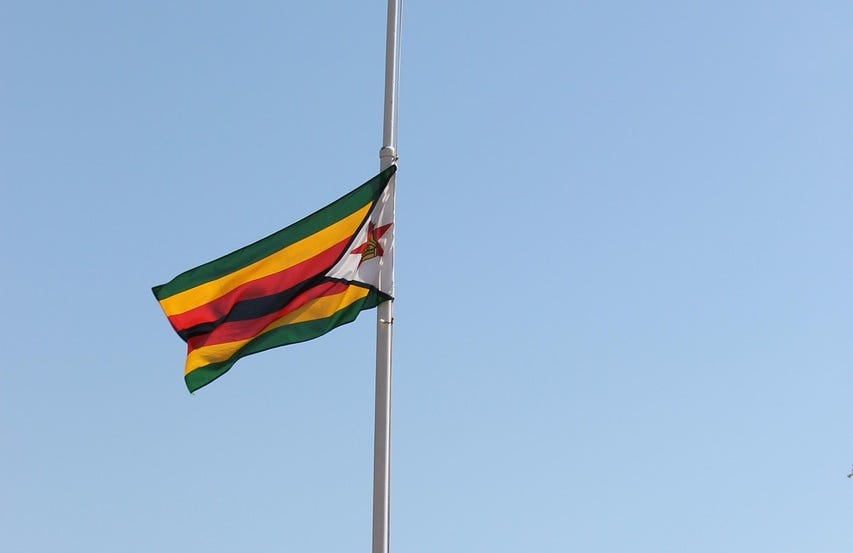
Zimbabwe’s cabinet has greenlit a constitutional proposal replacing direct presidential elections with parliamentary selection.
The proposal would entrench ZANU-PF’s grip on executive power.
The change would extend the term of sitting President Emmerson Mnangagwa.
HARARE, ZIMBABWE — Zimbabwe’s cabinet has approved a controversial proposal to fundamentally restructure how the nation selects its president, shifting from direct popular vote to parliamentary appointment in a move that opposition leaders warn could destabilize the already fragile political landscape.
The proposed constitutional amendment would end the current system in which citizens directly elect their president through national elections. Instead, the president would be chosen by Parliament, a body currently dominated by the ruling ZANU-PF party, which has dominated Zimbabwean politics since the country’s independence in 1980.
Furthermore, the proposal also aims to extend presidential terms from five years to seven.
The move would deepen the political entrenchment of President Emmerson Mnangagwa, 83, who has been in power since 2017 follow a coup d’état. Mnangagwa is set to step down in 2028 after serving two five-year terms, but the recent constitutional proposal would extend his rule to 2030.
Opposition leaders argue the reform undermines democratic accountability and creates structural barriers to political turnover. Under the proposed system, electoral gains by opposition parties would become largely symbolic unless they achieve a full parliamentary majority, a significantly higher threshold than winning a presidential election outright.
Justice Minister Ziyambi Ziyambi stated that the bill will be sent to the speaker of parliament and published in an official gazette prior to lawmakers reviewing it.
Despite further steps in the approval process, the cabinet endorsement of the proposal marks a significant step toward fundamentally altering Zimbabwe’s political architecture at a moment when the nation can least afford increased instability.
This reporting may be cited with attribution to Oasis Media Collective. For licensing, republication, or extended use, contact here.