

Weekly Outlook: Trump Slams Iraq's "Very Bad Choice" as Syria Ceasefire Hangs by a Thread
Washington intervenes in Baghdad's leadership battle while a U.S.-brokered deal in northeast Syria faces immediate tests

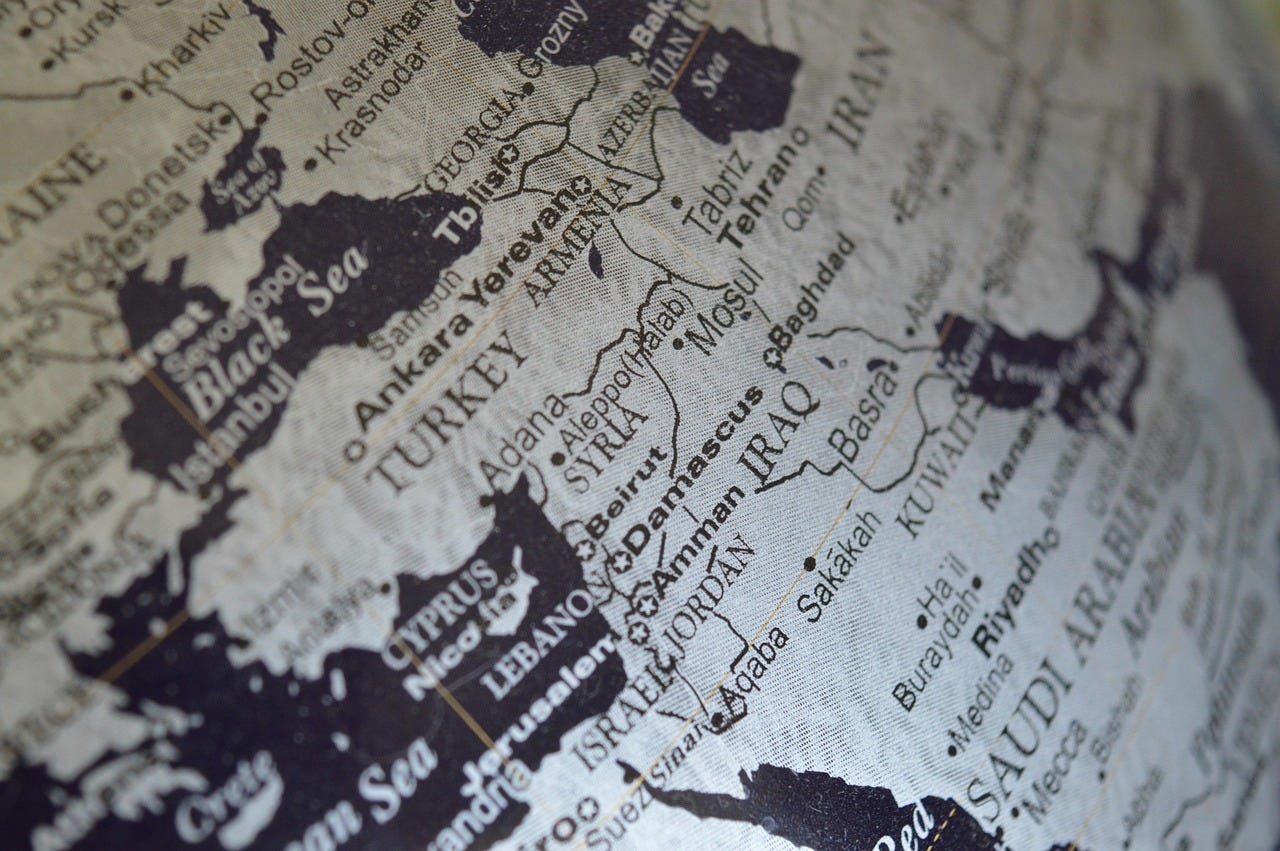
Weekly Outlook is the Monday note for Oasis Media Collective’s flagship News series. We examine the most critical yet underreported developments and how they’ll transpire in the week to come.
“Blatant Interference”: Trump’s War of Words Over Iraq’s Next Prime Minister
U.S. President Donald Trump has publicly condemned the nomination of Nouri al-Maliki for a third term as Iraq’s Prime Minister. Writing on Truth Social, Trump warned that the “Last time Maliki was in power, the Country descended into poverty and total chaos,” adding that “if we are not there to help, Iraq has ZERO chance of Success, Prosperity, or Freedom. MAKE IRAQ GREAT AGAIN!”
The sharp rebuke has drawn fierce pushback from Maliki and the Shia Coordination Framework—a coalition of Iran-aligned parties—who characterized Trump’s statement as “blatant interference” in Iraqi sovereignty. The fallout has already reached Washington’s diplomatic corps, with Mark Savaya, the U.S. special envoy to Iraq, reportedly dismissed over his failure to block the nomination. Tom Barrack, currently serving as ambassador to Turkey and special envoy to Syria, has assumed responsibility for Iraq policy.
Yet the U.S. is hardly alone in viewing Maliki’s potential return with alarm. The former prime minister presided over Iraq during one of its darkest chapters, from 2006 to 2014, when the country was consumed by sectarian civil war and witnessed the catastrophic rise of the Islamic State. For Sunni Iraqis in particular, Maliki’s nomination stirs painful memories of that traumatic era.
Speaking to The National, Naktal Abu Sara, a Sunni resident of Mosul—a city that endured three brutal years under ISIS control—bluntly rejected the nomination, saying Maliki “doesn’t serve us” given the security collapse that unfolded across Iraq during his tenure.
The political paralysis extends beyond Arab Iraq’s sectarian fault lines. The country’s two dominant Kurdish parties—the Kurdistan Democratic Party (KDP) and the Patriotic Union of Kurdistan (PUK)—remain deadlocked over the selection of Iraq’s president, with the KDP backing Fuad Hussein while the PUK supports Nizar Amedi. A parliamentary session scheduled to elect the president was postponed this Sunday for the second time in a week, delaying the constitutional process that would propel Maliki back to power.
Syrian Army Pulls Back After Crushing Kurdish Forces, But Can the Ceasefire Hold?
Following the Syrian military’s devastating offensive in the northeast—which saw government forces crush much of the Kurdish-led Syrian Democratic Forces (SDF) and seize strategic territories including Deir Hafer—the Syrian army has begun withdrawing to frontline positions around Hasakah and Kobani under a newly brokered ceasefire agreement with the SDF.
The pullback comes as Syria’s Interior Ministry prepares to deploy forces into Hasakah cities beginning February 2, though deep mistrust between the new Damascus government and the SDF threatens to unravel the fragile security arrangements at any moment.
Under the terms of the agreement, the SDF will integrate into the Syrian national army in exchange for official recognition of Kurdish cultural and civil rights. The deal builds on a previous framework negotiated last year between President Ahmed al-Sharaa’s transitional government and the SDF, which stumbled during implementation. This latest arrangement calls for the formation of a new military division comprising three SDF brigades, alongside the establishment of a separate brigade drawn from forces in Kobani, the Kurdish-majority city.
International observers are watching closely to see whether simmering sectarian tensions can be contained. Tom Barrack has hailed the ceasefire as a historic achievement, predicting it will propel Syria toward “national reconciliation, unity, and enduring stability.”
Turkey, however, is likely to take a far more skeptical view. Given Ankara’s own protracted conflict with Kurdish groups, Turkish officials will scrutinize every aspect of the Syrian agreement, particularly the provisions affecting Kobani, which sits directly south of the Syria-Turkey border. While 2025 brought tentative steps toward normalization between Turkey and Kurdish actors, renewed clashes involving Kurdish forces in Syria now risk derailing that fragile progress entirely.
Oasis Media Collective goes where the headlines don’t by reporting on overlooked geopolitical dynamics. Follow for more to receive our deep dive reporting.
Have questions or want to discuss opportunities directly? Connect with us here.