

Week Ahead: France Seizes Russian “Ghost Ship” as Trump Bets $1.6B on Rare Earths and Guinea's Junta Gets a Pass
Mediterranean oil tanker intercept exposes Moscow's shadow fleet, Washington throws billions at mining to counter China, and the African Union rewards a military strongman.

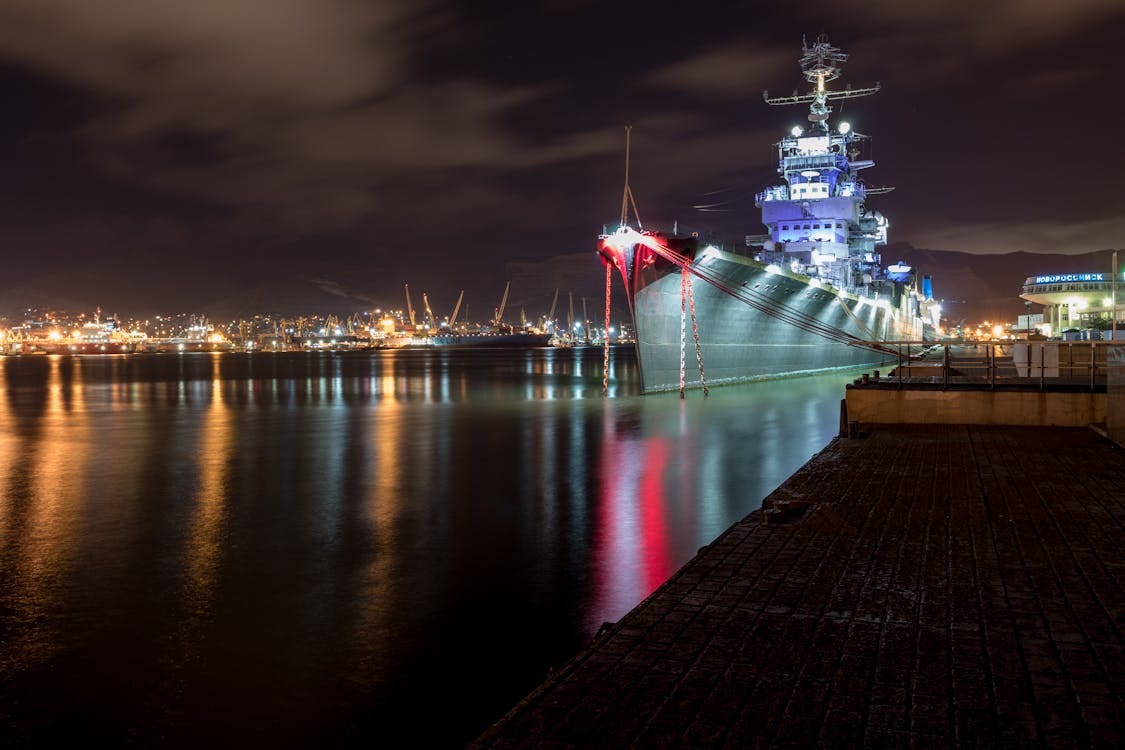
France Seizes Russian Oil Tanker in Mediterranean Sanctions Crackdown
France intercepted the Russian oil tanker Grinch in the Mediterranean on January 22, suspecting the vessel of operating within Moscow’s “shadow fleet,” a network of over 500 tankers using deceptive practices to circumvent Western sanctions. The vessel was traveling between Spain and Morocco when authorities confirmed flag irregularities.
President Macron characterized the seizure as defense of international law, while Ukrainian President Zelenskyy welcomed efforts to cut Russia’s war funding. The incident represents an escalation in Western maritime enforcement against Russian oil exports following sanctions imposed after the 2022 Ukraine invasion.
The timing is significant. The fall of ally Bashar al-Assad in Syria marked a critical blow to Russia’s maritime ambitions, with Moscow’s only foreign naval base stationed in Tartus. Since then, reports have emerged of the Kremlin transferring its maritime and naval assets to Libya, a North African state bordering the Mediterranean. This, with the added detail of the vessel having been between Spain and Morocco at the time of its interception, adds further credence to Russia using North Africa—just below Europe’s southern flank—as its new base for all things Mediterranean activity. Between Libya’s rising global oil prominence and tensions between Turkey and Greece over the Mediterranean, Russian naval activity off the North African coast could catapult into yet another geopolitical flashpoint.
Trump Administration Invests $1.6 Billion in Domestic Rare Earth Mining
The Trump administration announced a $1.6 billion investment in USA Rare Earth through the Commerce Department’s CHIPS and Science Act finance facility, marking Washington’s largest bet on the rare earths sector. The deal grants the government a 10% equity stake through 16.1 million shares plus warrants, alongside $1.3 billion in debt financing for a Texas rare earth mine and Oklahoma magnet production facility. The company will raise over $1 billion in private capital through Cantor Fitzgerald, the firm linked to Commerce Secretary Howard Lutnick, with shares having already doubled this year amid investor enthusiasm.
The investment is yet another installment in the wider critical resources saga between the U.S. and China, in which Africa is becoming a key battleground, given that the continent is projected to produce up to 10% of global rare earth supply by 2030. Beijing remains deeply entrenched in the continent’s mineral wealth; in the Democratic Republic of Congo, for instance, Chinese firms control 80% of cobalt output, cementing Beijing’s control of inputs critical to both batteries and chips.
Last October, a report broke out detailing Washington’s renewed interest in African infrastructure, signaled by a $550 million loan for the Lobito Corridor and mediation in the DRC–Rwanda peace deal—both aimed at weakening China’s leverage over rare earths and tech supply chains.
The government investment in USA Rare Earth signals another step in this wider strategy that African governments may aim to integrate themselves in. Already, African states have expressed interest in deepening economic ties with Washington; announcements such as the most recent one will only amplify such desires—and by extension, heightening U.S.-China competition in Africa.
African Union Lifts Sanctions on Guinea Following Disputed Election
The African Union removed sanctions against Guinea that were imposed after the 2021 military coup, citing the country’s “successful” completion of its transition roadmap with a December 28, 2025 presidential election and new constitution. Junta leader Mamady Doumbouya won overwhelmingly and was sworn in last Saturday amid celebrations from military supporters. The AU praised Guinea for fulfilling its democratic transition commitments.
Opposition groups have denounced the process as fundamentally flawed, citing widespread irregularities and severe restrictions on civil liberties including bans on dissent, arrests of critics, and forced exiles. Despite these concerns, the AU’s decision validates military-led transitions across West Africa, potentially weakening established anti-coup norms. The move boosts Doumbouya’s legitimacy and raises concerns about “coup contagion” spreading across the Sahel.
Guinea’s immediate reinstatement in AU participation opens the door for ECOWAS to follow suit, though international donors may hesitate given evidence of democratic backsliding. The decision reflects broader AU institutional shifts, including recent pushback on issues like Somaliland recognition amid escalating Horn of Africa tensions.
Oasis Media Collective goes where the headlines don’t by reporting on overlooked conflicts and geopolitical shifts with a data-driven lens. Follow for more to receive our intelligence briefs, visual explainers, and deep-dive reporting.
Have questions or want to discuss opportunities directly? Connect with us here.