


BEFORE YOU SCROLL
🥵 The Pacific Ocean hit +3.1°C above normal in late September, and NOAA now puts the odds of a very strong El Niño at over 90%.
🌊 Floods and droughts are hitting the crops behind your coffee, chocolate, and sugar, and developing countries will feel the pain most.
🏷️ Expect pricier groceries and together budgets, and possibly more interest rate hikes, well into 2027.
Godzilla is finally becoming a reality, just not in the way your 10-year old self would have thought.
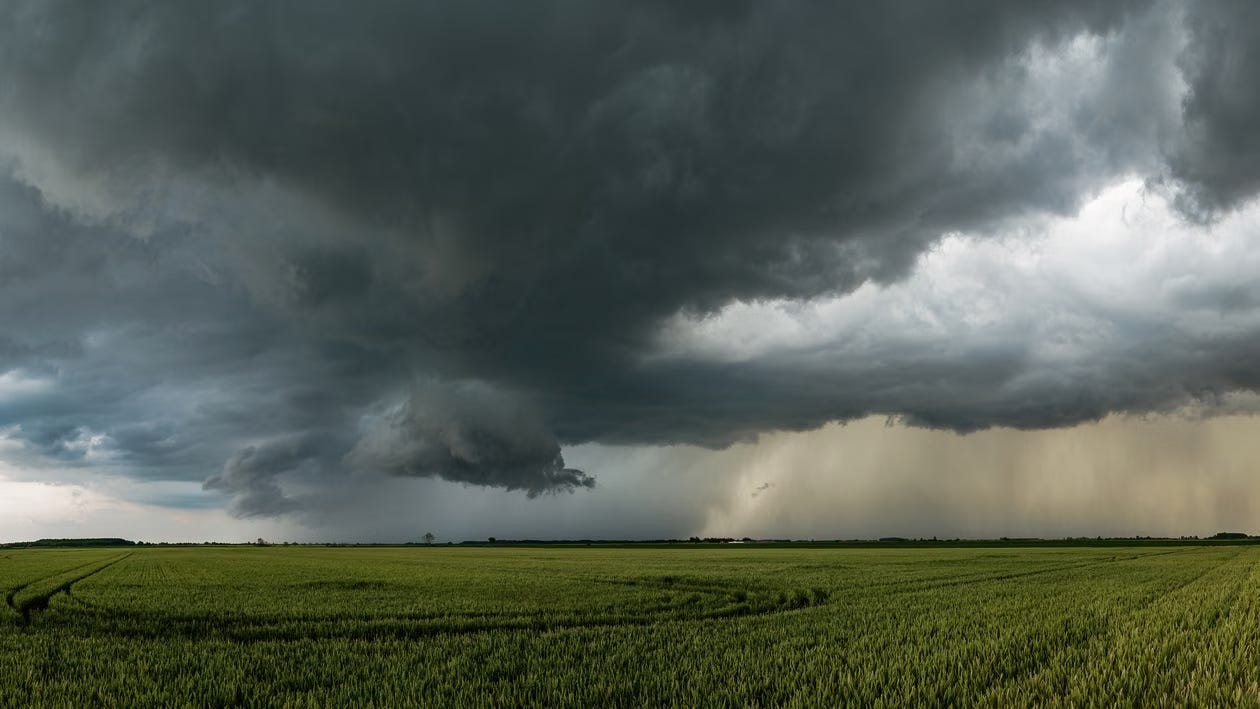
Temperatures in the Pacific Ocean just hit +3.1°C above normal in late September, a record for this point in the weather cycle. The National Oceanic Atmospheric Administration (NOAA) puts the odds of a very strong weather event at over 90%, and the chance that it’s the strongest since 1950 at 75%.
That event is known as El Niño, and the world is bracing for a “super” (or “Godzilla”) version of it.
Weather is usually an easy conversation starter to break the ice. This time, though, it’s more likely to break your bank account, since your grocery bill and your savings are in the crosshairs.
WHAT EVEN IS EL NIÑO?
In a nutshell: El Niño happens when temperatures in the Pacific Ocean rise, kickstarting a wave of weather patterns worldwide.
Normally, strong winds push warm surfaces toward Indonesia and the rest of Asia, and the rain follows. Meanwhile, colder water rushes toward South America.
El Niño periodically flips that script. The winds weaken, warm water drifts toward the Americas, and Pacific temperatures climb to abnormal heights.
That giant patch of warm water changes the atmosphere above it. Depending on where you are, that can mean:
🌧️ More rain to some places, including parts of the southern U.S.
☀️ Drought to places such as Australia and Indonesia.
🌡️ Warmer temperatures in many regions.
🌾 Crop disruptions, which can push food prices higher.
That last ripple effect is important, no matter where you live. El Niño brings floods where nobody needs them and droughts where the crops are.
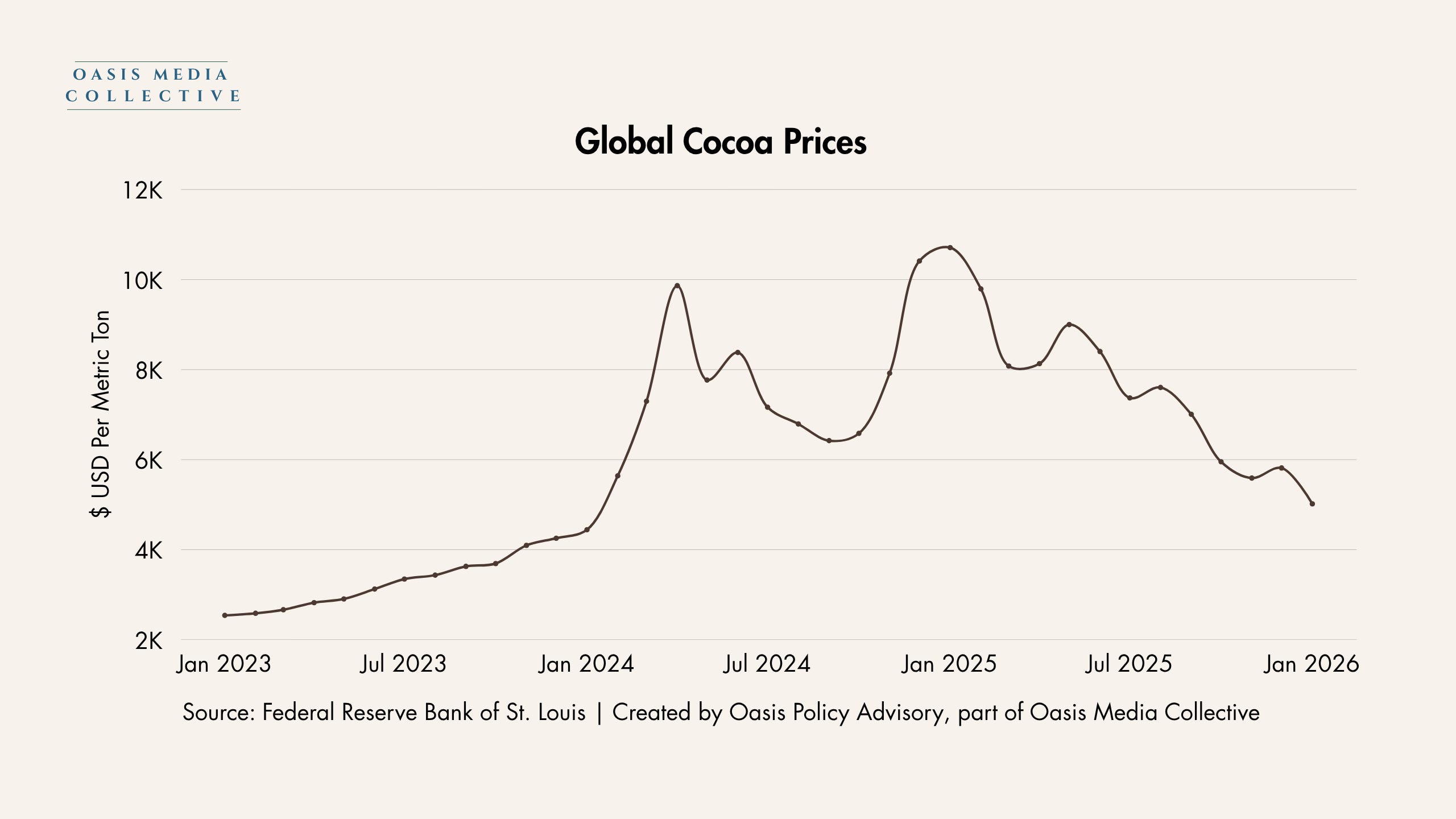
Take cocoa. West Africa grows the world’s largest supply, and El Niño is set to bring drier, hotter weather to Cote d’ivoire and Ghana, slashing harvests and sending chocolate prices up with them.
And thanks to climate change, this El Niño is set to be the worst we’ve seen.
August 2026 tied for the hottest month on record, at 1.65°C above the pre-industrial baseline, according to Copernicus and NASA. Copernicus also recorded a daily global sea surface temperature of 21.1°C (70°F) on August 22, the highest ever measured.
To wrap it all up, Berkeley Earth gives 2026 a 69% chance of being the warmest year on record.
YOUR GROCERY BILL
Worst of all, it’s arriving just as people are already struggling to get by when going to their local grocery stores.
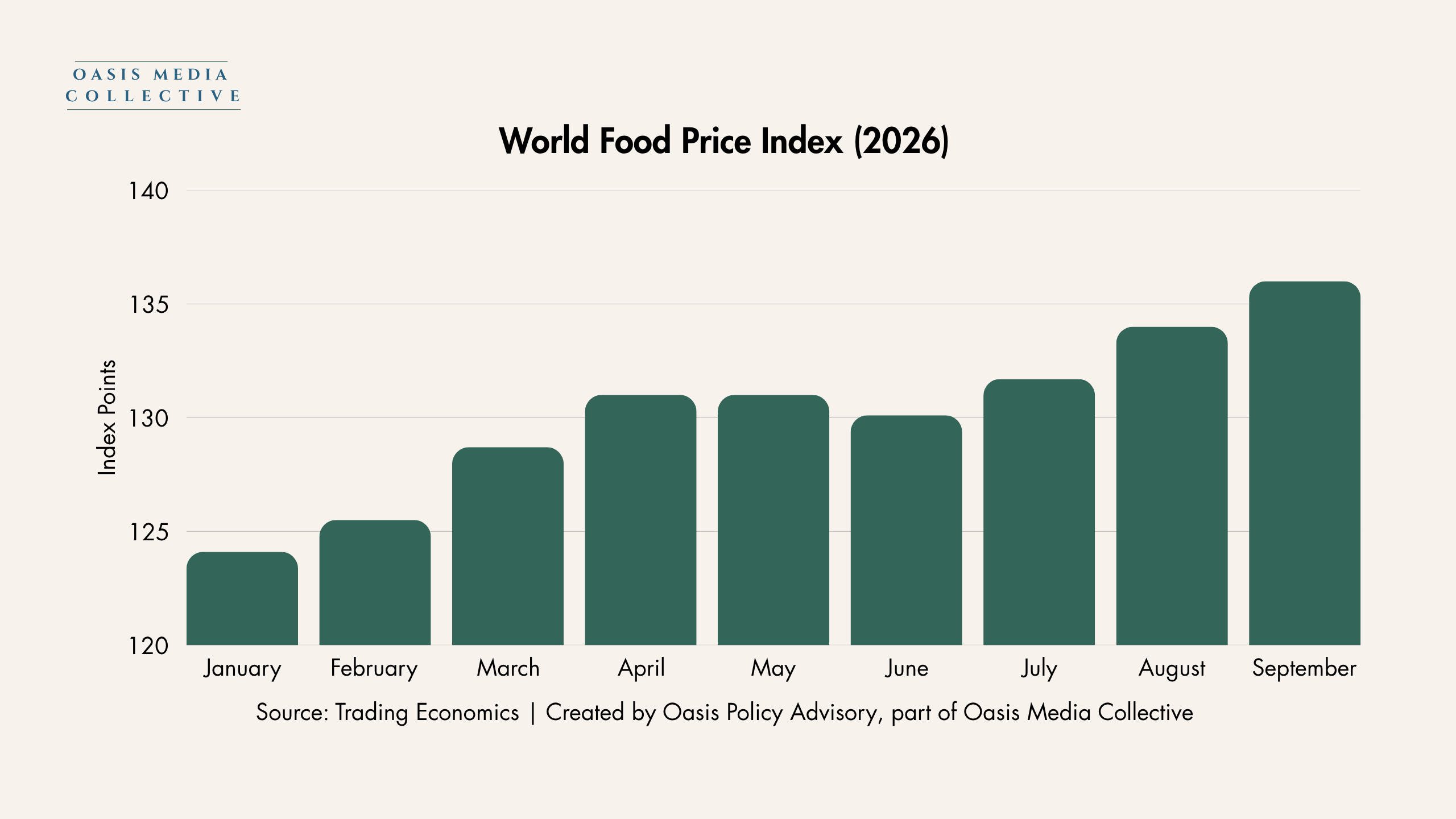
According to Trading Economics:
FOA Food Price Index is up three straight months to 136.
Wheat is up 6.3%, largely thanks to the Russia-Ukraine war and drier weather in parts of North America.
Sugar prices are up 6.1% since April 2025.
JPMorgan predicts global food inflation will climb to 5% in 2027, up from 3% today. Drier weather in West Africa, wet weather in Brazil, and drought in India and Thailand are all feeding that uptick.
JPMorgan describes it as a worldwide “crisis.” And unlike oil, which countries stockpile, there’s no fallback plan for fertilizer.
MR. WORLDWIDE
The shockwave will be felt hardest in developing countries.
Food makes up 13.5% of the U.S. consumer price index (CPI), which tracks the average change in what people pay for goods over time, according to the Bureau of Labor Statistics. In India, that figure is a whopping 45%, according to the National Institute of Public Finance and Policy. In Brazil, it’s 26%, according to TradingView.
The effects are already showing. Peru cut its anchovy quota by 36%, according to Seafood News, citing “current stock conditions.”
Altogether, the Peterson Institute for International Economics estimates that El Niño will cost the global economy $986 billion, roughly 0.8% of the world GDP.
THE OASIS GAME PLAN
This is not financial advice.
“I Am Inevitable.” Charles-Henry Monchau of Investing.com says El Niño can account for roughly 20% of movements in commodity price inflation, so commodity futures are going to be jolted, no matter how you slice it or dice it.
Commodity Watch. Soft commodities are the ones to watch when it comes to futures: coffee, cocoa, palm oil, rice, sugar, corn, and soybeans.
Winners and Losers. Investing.com notes that farming, agricultural and fertilizer companies are set to ride big equity swings, while livestock and protein producers will likely take a hit.
Most important: don’t panic. A supply squeeze and price hikes are likely, but freaking out won’t help your wallet.
Instead, reorient your budget to prepare for when common purchases get pricier. Homeowners, especially in the southern U.S., should plan for tighter property management. And since several central banks have recently hiked interest rates, budget for even more, especially if you live in an exposed emerging market.
TL;DR
The world is set for a very strong, possibly record-breaking El Niño, a weather event squeezing the crops behind coffee, cocoa and sugar, pushing food prices up. Expect pricier groceries and possibly higher interest rates into 2027.
VIDEO SHOWCASE
Join the Collective decoding markets, policy, and power for the investors of tomorrow.
To partner with Oasis Media Collective, contact here.