


Welcome back to the “Wall Street Foreign Desk.”
On the agenda today:
U.S. All bets are being placed over the Federal Reserve raising those rates.
RUSSIA. The country’s bond market continues to go haywire, unsettling investors and policymakers worldwide.
AI. A recent Bank of America announcement tells us what’s the next direction for AI spending.
The Fed Is Walking Into An Energy Inflation Trap
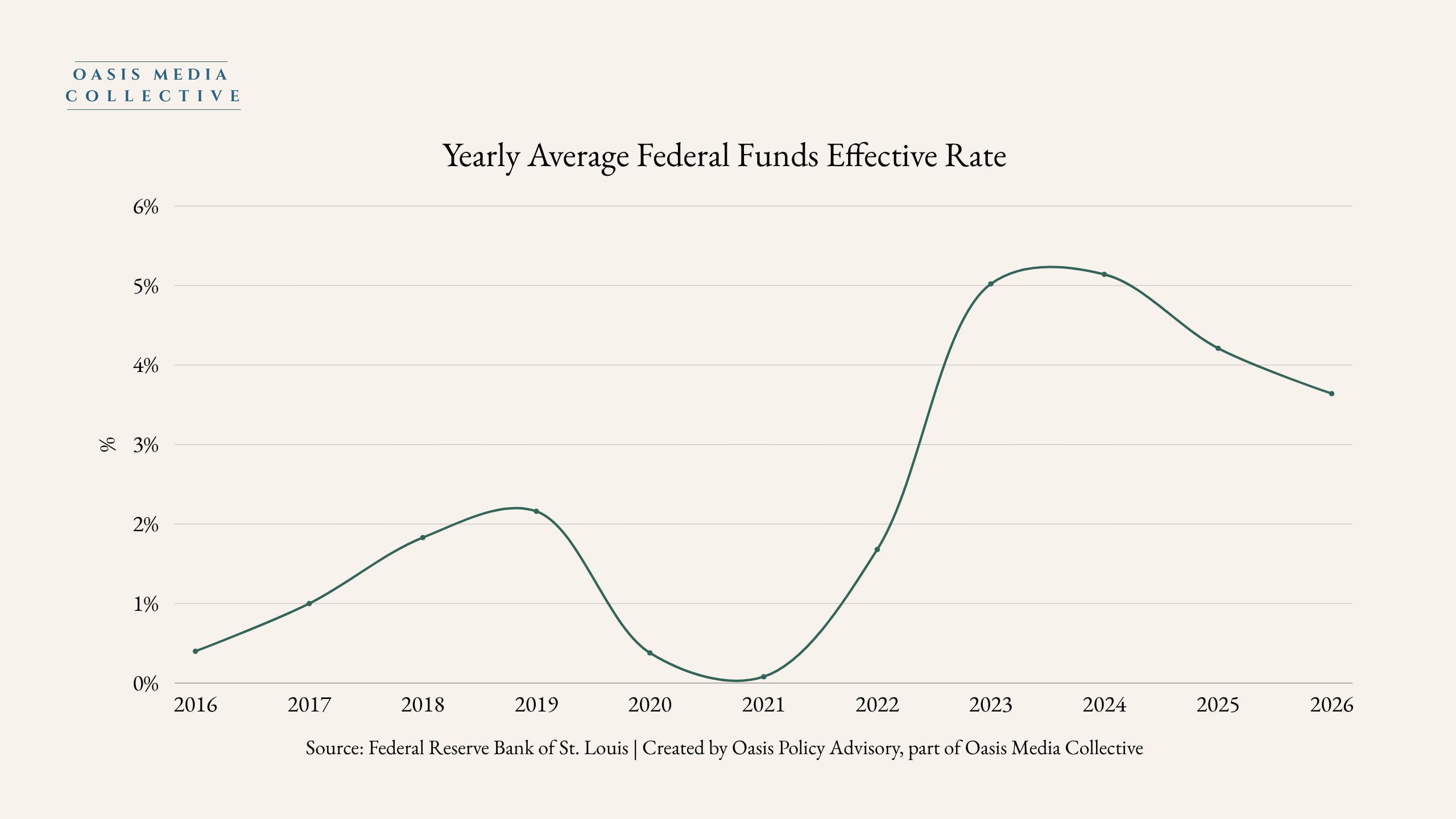
After weeks of speculation, the Fed’s September decision is rapidly arriving, and it’s happening amid a chaotic backdrop: crude oil has been elevated past $100 as the Gulf tensions continue to escalate, while the U.S. 10-year Treasury yield briefly hit 5%, its highest level since 2007. With Gulf starters having withdrawn from planned negotiations with Iran and the White House stating that the conflict would end post-midterm elections, more are convinced that the crisis is likely to extend into next year, and for the doomer type, become a “forever war.”
The result is pushing more to view interest rate hikes as inevitable, a sentiment echoed previously by Fed Chairman Kevin Warsh, who finds himself in a catch-22 scenario. If energy prices remain high, cutting rates becomes harder to justify; if the Fed responds aggressively to the rising tide of inflation, it risks weakening demand. Either way, policy credibility is set to diminish just ahead of the midterms.
So in short:
Treasury yields have risen alongside energy prices.
Markets have been pricing a substantial probability of a rate increase.
The Fed’s forward guidance may matter more than the immediate rate decision.
The relationship between oil, bonds and equities has changed materially during the conflict.
100% Sanction on top Russian energy buyers advances in House
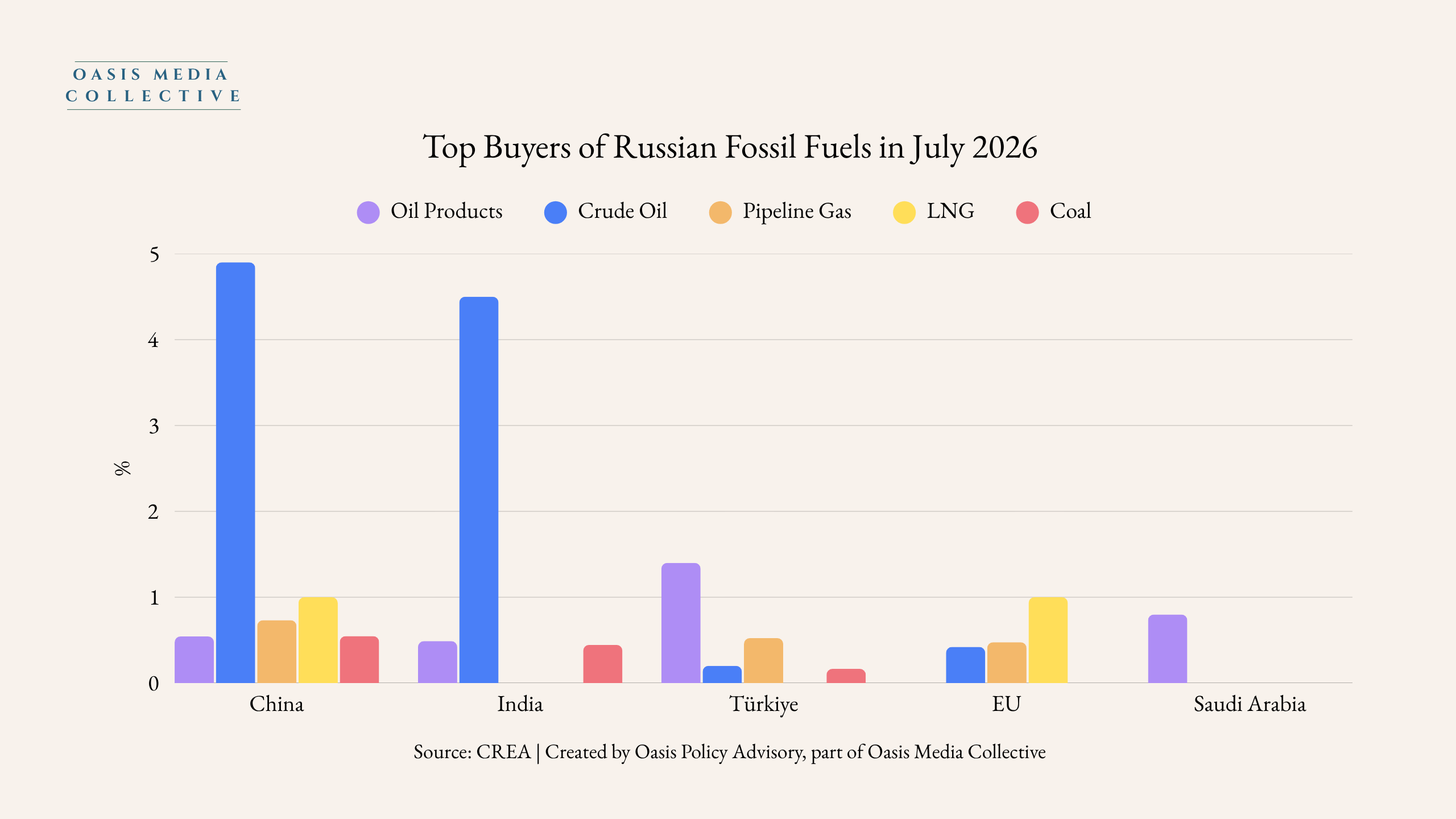
The U.S. House of Representatives cleared a crucial hurdle to advance bipartisan legislation written in honor of former Senator Lindsey Graham. As part of it, a new round of tariffs of up to 100% will be levied against the top global buyers of Russian crude oil and natural gas. The bill specifically targets countries such as China, India, and Turkey, all net oil importers who have increased their reliance on Russia for their energy needs.
The threat isn’t one to be taken lightly in Beijing and will likely accelerate New Delhi’s efforts to walk a tightrope in balancing relations between DC and Moscow; Prime Minister Narendra Modi recently pleaded to President Vladimir Putin to end the war in Ukraine in the leadup to this most recent announcement. Occurring on the heels of the recent BRICS summit in New Delhi, the bill may have the effect of bringing member nations closer in financial transactions, just as they attempt to diversify trade away from the U.S. dollar.
So in short:
The bill could impose tariffs of up to 100% on countries buying Russian oil and gas. India and China could face significant pressure to reduce purchases of Russian energy.
Sanctions targeting Russia’s “shadow fleet” could disrupt established oil-shipping routes. Russian barrels may need to find alternative buyers, while India and China seek replacement supplies.
The result could be tighter global oil markets, higher freight costs, and additional inflation pressure.
Wall Street’s AI Boom Is Contracting
The AI investment Boom is producing a secondary effect: fewer but substantially larger transactions. In a recent report, Bank of America warned that its third quarter investment banking fees would drop by over 10% year-over-year, landing between $1.6 billion and $1.8 billion; the announcement caused shares to slide by nearly 5%. Meanwhile, JPMorgan, Goldman Sachs, and Morgan Stanley have captured a larger share of global fees.
The announcement comes amid a rising tide of executives and researchers across Silicon Valley calling for a slowdown in AI development and further regulations due to intense safety concerns. If such warnings become actual practice, the AI boom may be set for even further tightening. However, with the administration describing such warnings as a “trojan horse” and rejecting calls for further regulation, it’s unlikely we’ll see a complete drop in investment soon.
So in short:
Private-equity deal volume fell 37% year-over-year in Q2.
AI-related financing is increasingly large-ticket.
The largest investment banks are capturing a greater share of fees.
Honorable mentions:
German Industrial Fall. The recent state election in Germany is escalating fallout over the country’s loss of global manufacturing market share, especially in regards to competition from China.
Crypto Crackdown. Global authorities are intensifying sanctions enforcement against digital assets like crypto, with Federal prosecutors identifying over $1.5 billion in foreign capital flows through cross-border crypto transactions.
Divided Consumer Demand. New research from the New York Federal Reserve shows that real consumer spending growth is overwhelmingly driven by households earning over $125,000 annually, in contrast to middle and lower income demographics, who face mounting credit card stress.
Join the Collective decoding markets, policy, and power for the investors of today and tomorrow.
To partner with Oasis Media Collective, contact here.