

South Africa Triggers U.S. Warning Over Israel while Turkey-Egypt Alliance Emerges
Pretoria’s diplomatic gambit is testing Western patience while former regional rivals coordinate on the Libya crisis

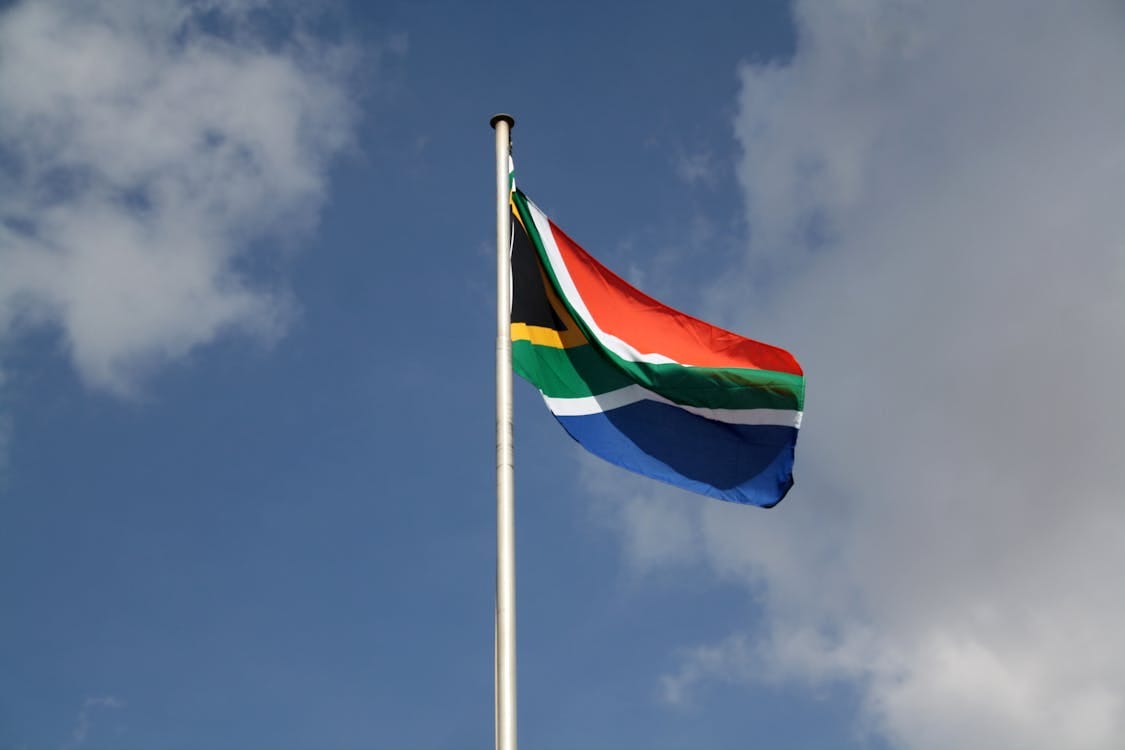
South Africa Expels Israeli Diplomat in Unprecedented Move That Shook Two Continents
South Africa’s declaration of Israeli Deputy Ambassador Ariel Seidman as persona non grata has triggered a diplomatic crisis that reflects deepening ideological and legal confrontation between Pretoria and Jerusalem. South Africa’s Department of International Relations accused Seidman of publicly criticizing President Cyril Ramaphosa, engaging in unauthorized political activity, and violating Vienna Convention norms governing diplomatic conduct. Israel immediately retaliated by expelling Shaun Byneveldt, South Africa’s representative to the Palestinian territories.
The expulsion represents the culmination of months of escalating friction and marks the lowest point in bilateral relations in decades. What distinguishes the current rupture from past disagreements is South Africa’s legal escalation—bringing genocide charges against Israel before the International Court of Justice—and its increasingly explicit framing of the Palestinian cause through the lens of its own anti-apartheid struggle. The ANC-led government has positioned itself as a Global South norm-shaping power rather than a neutral middle power, viewing its stance on Palestine as an extension of South Africa’s historical identity.
The U.S. response adds a significant geopolitical dimension to the dispute. Washington publicly criticized South Africa’s expulsion, with Tommy Pigott, the State Department’s deputy spokesperson, describing it as “disproportionate” on X and warning that such actions could complicate bilateral engagement and potentially trigger trade and diplomatic pushback. From a U.S. policy perspective, South Africa’s moves—legally targeting a key American ally while seemingly aligning with non-Western blocs—has led to perceptions of Pretoria as being a difficult strategic partner, rather than the regional anchor American policymakers once heralded it as.
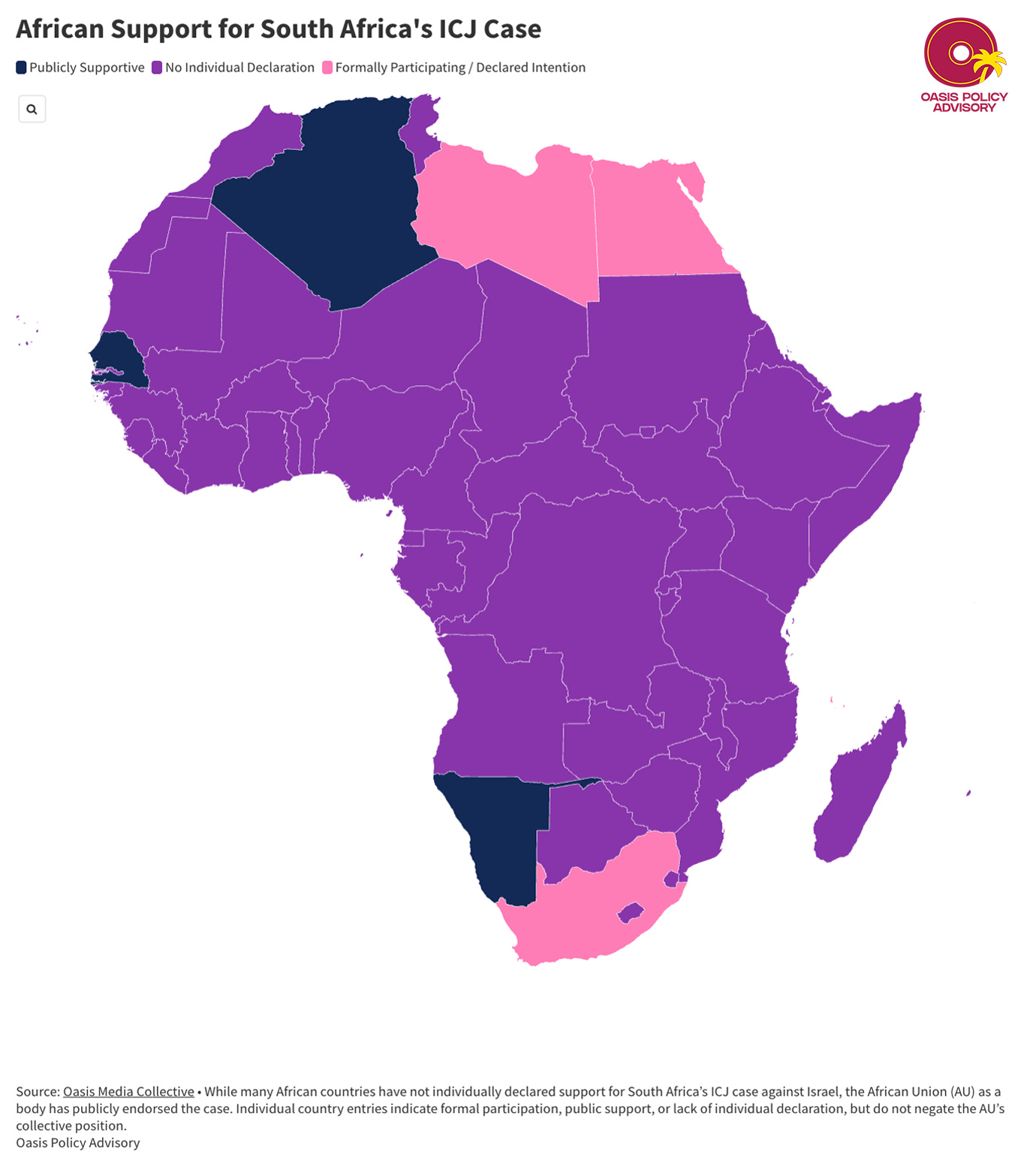
The confrontation carries broader implications across Africa, where countries including Namibia, Algeria, Senegal, Botswana, and Mauritius are closely watching whether South Africa absorbs significant costs for its stance. Pretoria is effectively testing how far African states can challenge U.S. preferences, without facing economic or diplomatic penalties. If costs remain limited, other African governments may follow with similar symbolic or legal actions; if they escalate, many will quietly recalibrate their positions. Domestically, the move is low-cost for the ANC, allowing the party to project moral authority on an issue that resonates with its base while facing electoral pressure from parties demanding harder anti-Israel positions.
American investors eying South Africa should take note. Further diplomatic spats such as this could lead not only to increased American tariffs specifically targeting Pretoria—which already faces the highest tariff rate in Sub-Saharan Africa at 30%—but even potential sanctions if South Africa drifts closer to the BRICS camp. The end result will be increased difficulties in investing and establishing operations in Africa’s strongest economy.
Turkey and Egypt Break Years of Rivalry with Libya Coordination—But Can It Last?
Turkey and Egypt appear to be moving from regional rivalry toward cautious cooperation, particularly on Libya, following President Recep Tayyip Erdoğan’s visit to Cairo and the second High-Level Strategic Cooperation Council meeting with Egyptian President Abdel Fattah al-Sisi. At a joint press conference, both leaders emphasized shared objectives for Libya, including preserving the country’s unity and territorial integrity through a UN-facilitated, Libyan-owned political process.
The public alignment marks a notable shift given the countries’ historical divergence on Libya. Turkey has traditionally backed the internationally recognized western Government of National Unity, while Egypt maintained strong ties to eastern institutions and figures like Khalifa Haftar and his Libyan National Army. Now, both nations are publicly endorsing a political roadmap focused on ending executive fragmentation, holding simultaneous presidential and parliamentary elections, and ensuring the withdrawal of foreign forces and mercenaries.
Beyond political coordination, Turkey and Libya are expanding economic cooperation through oil and infrastructure projects, which could indirectly support stabilization efforts. However, significant challenges remain on the ground. Libya’s fragmented political landscape—with rival institutions in Tripoli and Tobruk, autonomous armed groups, and flare-ups in violence—continues to complicate implementation of any unified vision. Additionally, Egypt has formally rejected past Turkey-Libya maritime and energy agreements, lodging UN complaints about continental shelf claims, indicating that underlying disagreements over Mediterranean resources persist despite the diplomatic warming.
Oasis Media Collective goes where the headlines don’t by reporting on overlooked geopolitical dynamics. Follow for more to receive our data-driven storytelling and reporting.
Have questions or want to discuss opportunities directly? Connect with us here.