


Whenever the world finds itself at a geopolitical crossroads—as it currently does in the aftermath of the American operation which captured Veneuzeulan President Nicolás Maduro—it’s the big players that emerge as the true game changers, while the smaller states are relegated to the sidelines, nervously watching developments from afar and wondering what the reverberations will be for themselves.
In an increasingly multipolar world, though, that dynamic is slowly being upended—and South Africa is starting to show it.
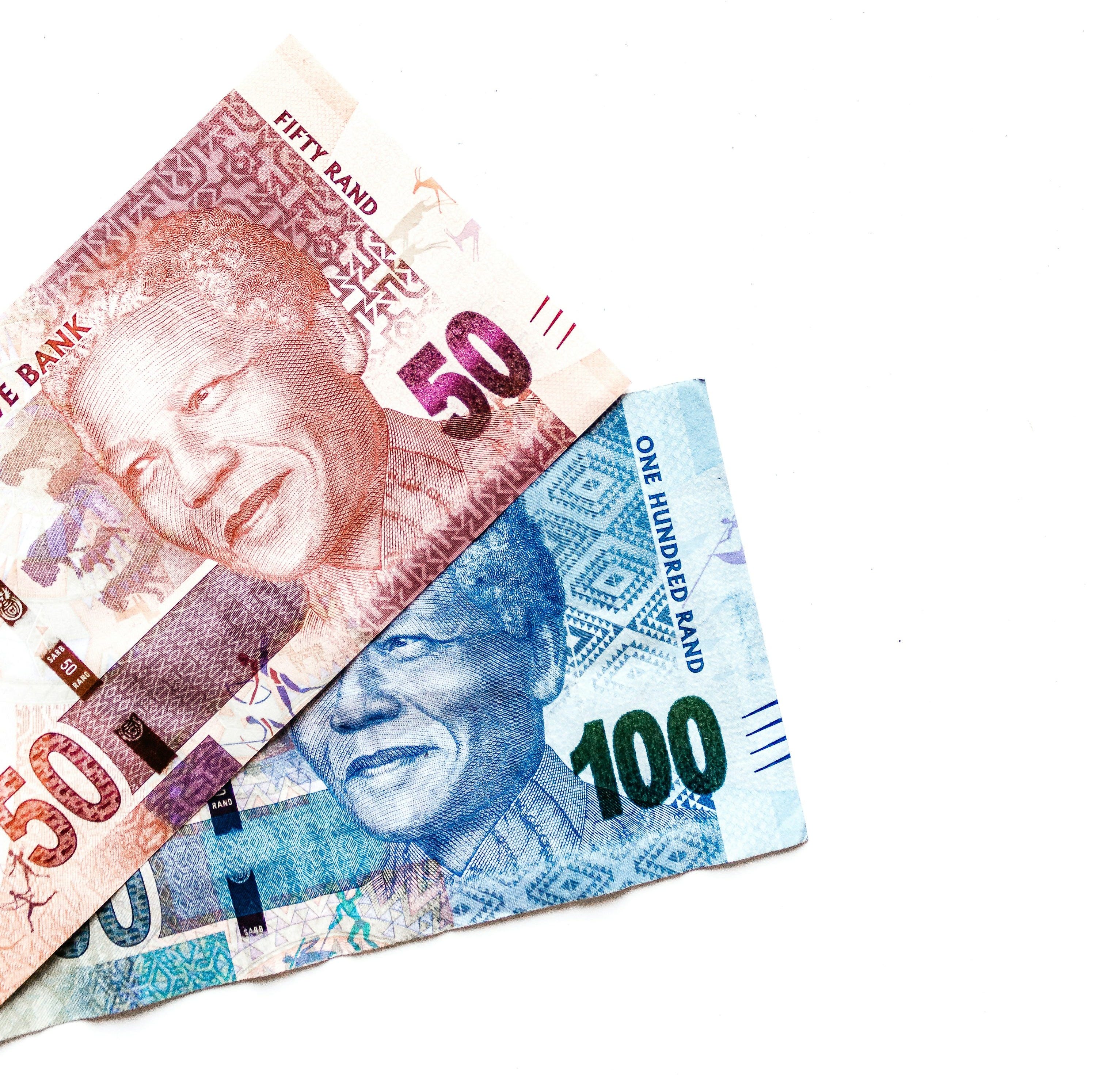
Talk of the U.S. dollar’s decline has dominated economic circles for years. Most discussions focus on the greenback being displaced by rival currencies—chiefly the Russian ruble and Chinese yuan. What is little talked about is the resilience of the currencies of smaller yet rising states in the face of such geopolitical headwinds. Which is what makes the South African rand such a standout.
The currency ended 2025 nearly 13% stronger against the U.S. dollar, its best annual performance in 16 years, supported by improved fiscal discipline, inflation control, and robust export prices for key commodities such as gold and platinum. Gold’s rally beyond $4,000 an ounce further bolstered confidence in risk assets tied to South Africa’s commodity complex.
Entering 2026, the rand has maintained its strength. Despite global turbulence, the currency has shown little negative response, trading steadily against the dollar. As one of the big four startup ecosystems of Africa, the rand’s durability is a clear signal to venture capitalists and broader investors that South Africa remains a relatively safe harbor amid geopolitical and commodity market volatility.
Of course, even the path to resilience faces ups-and-downs. Broader business activity highlighted some headwinds for South Africa, including contraction in December as demand weakened. Yet employment rose modestly, coupled with steady GDP growth of 0.5% in recent quarters and renewed investment interest in new mining and transport sector projects—underpinning Pretoria’s standing as a regional anchor amid global uncertainty.
This durability is indicative of a bigger story: South Africa’s capacity to navigate an everchanging, geopolitical order. With Washington’s recent moves in Venezuela polarizing the world, South Africa has led the wider continental opposition to the ongoing crisis. As the BRICS alliance—of which South Africa is a founding member—continues to deepen and expand, Pretoria’s political and economic leverage both in Africa and beyond are making it a strategic anchor for policymakers and investors alike.
Could South Africa therefore be illustrative of the role that smaller and rising powers will fill a multipolar world?
For more on the intersection of geopolitical intelligence and venture capital across Africa, follow and share Oasis Media Collective.
Have questions or want to discuss opportunities directly? Connect with us here.