


What Happened
Africa’s war zones are drowning in weapons. Drones dominate the skies, surveillance tech pierces the fog of war, and states from the Sahel to the Horn are spending billions on arsenals supplied by global superpowers. But the superpowers no longer have a monopoly.
Pakistan has secured two major arms agreements in North and Northeast Africa that signal its growing ambitions as a defense exporter. In December 2025, Islamabad finalized a deal worth over $4 billion with Libya’s eastern-based Libyan National Army (LNA), led by Khalifa Haftar. The agreement, negotiated during a meeting between Pakistan’s Field Marshal Asim Munir and LNA deputy commander Saddam Haftar in Benghazi, includes JF-17 Thunder fighter jets (co-developed with China), Super Mushak trainer aircraft, and a range of land, sea, and air equipment to be delivered over 2.5 years. The package also encompasses training programs and provisions for joint manufacturing.
Just weeks later, in January 2026, reports emerged that Pakistan was finalizing a $1.5 billion arms package with Sudan’s military government. The deal with the Sudanese Armed Forces (SAF), which is locked in civil war with the paramilitary Rapid Support Forces (RSF), includes ten Karakoram-8 light-attack aircraft, over 200 surveillance and suicide drones, and possibly additional JF-17 fighters.
Together, these agreements represent approximately $5.5-6 billion in contracts and mark Pakistan’s most significant entry into African defense markets, positioning the country as a major non-Western arms supplier willing to engage with conflict-affected governments facing Western sanctions or embargoes.
Why It Matters
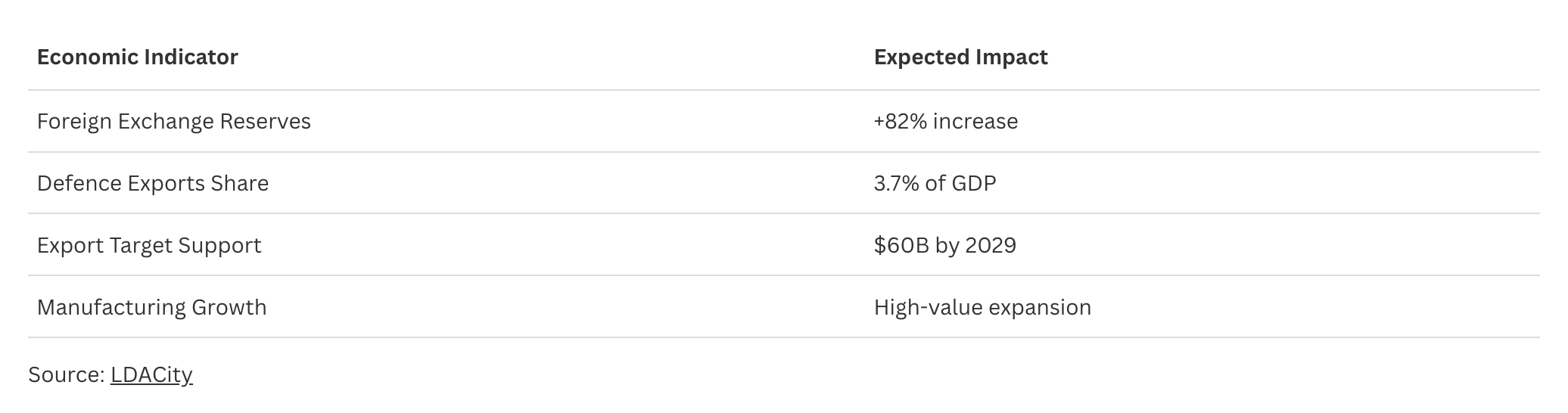
Pakistan’s recent deals with both Libya and Sudan are part of Pakistan’s wider trajectory defense ascendancy. The country is reportedly aiming to generate $13 billion in weapons exports, up from $22.4 million in 2024, pointing to economic motivators of this push beyond purely diplomacy. The push is far from purely being a diplomatic one; a report from LDACity points to the economic benefits Islamabad will reap as a result.
The timing is particularly significant. Last May saw the biggest flare-up of tensions between Islamabad and New Delhi since 1971, following an attack in Pahalgam, Indian-administered Kashmir, which India accused Pakistan-based groups for. The conflict saw heavy Pakistani use of its JF-17 fighter jet, Al-Khalid main battle tank, and Fatah series of guided multiple rocket launchers.
International observers were impressed; in the aftermath, states ranging from Iraq to Bangladesh expressed interest in acquiring Pakistani-made weaponry. Defense Minister Khawaja Asif stated in an interview that the country was receiving “so many orders” that Islamabad may not need the International Monetary Fund.
While opening the gateway for trade, the conflict also exposed the cold vulnerabilities that continue to plague Pakistan-India relations. Fostering closer defense ties with majority-Muslim states ensures a strategic hedge against India’s likewise expanding regional partnerships.
Strategically, the deals insert Pakistan into two volatile conflicts where traditional suppliers face constraints. Libya remains under a UN arms embargo dating to 2011, though it’s widely considered ineffective, while Sudan’s military government faces international isolation amid a civil war that has killed over 150,000 people and displaced millions. By offering flexible terms, no political conditions, and low-cost arrangements, Pakistan fills a niche that NATO countries cannot or will not occupy.
What’s Next
Deliveries under the Libya contract are expected to begin soon, though the agreement may face scrutiny from the UN and Muslim-majority states such as Turkey, which recognizes the Tripoli-based Government of National Accord.
In Sudan—where the SAF controls roughly 60% of total territory and the RSF 40%—implementation will unfold against the backdrop of US sanctions targeting RSF-linked networks and a stalled peace process monitored by regional bodies like IGAD and the UN. The arms influx could further escalate the conflict if the RSF retaliates to counter Pakistan’s support for the SAF.
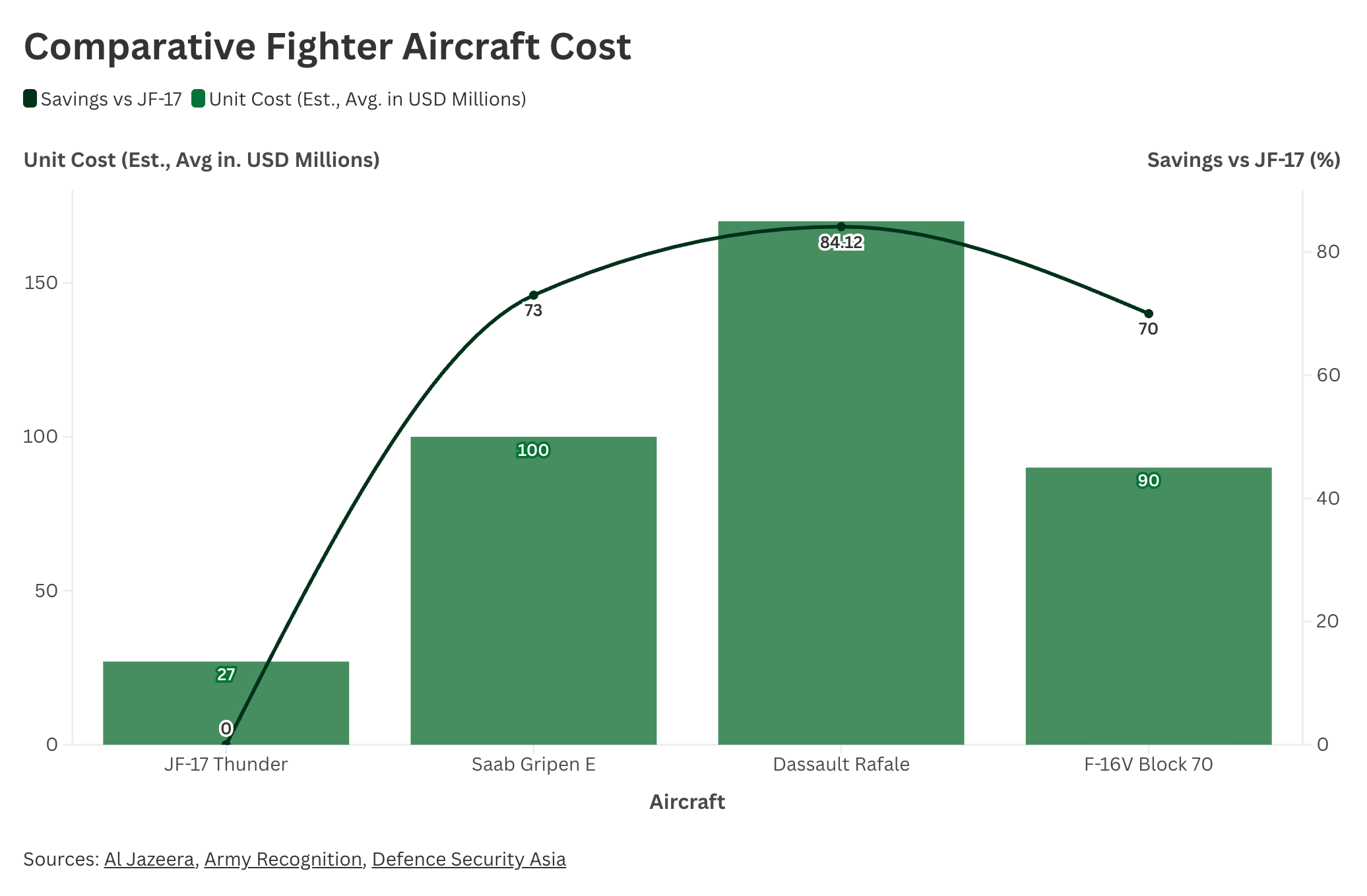
More broadly, success in Libya and Sudan could open doors across Africa and the Middle East, where Pakistan is actively courting buyers in oil-rich, conflict-affected states. The combination of combat-proven equipment, competitive pricing, and willingness to engage sanctioned regimes gives Pakistan advantages in markets where Western suppliers face political or legal barriers.
However, these deals also carry risks. Pakistan becomes entangled in complex civil wars with spillover effects across the Horn of Africa and the Mediterranean, potentially drawing it into regional disputes over oil revenues, migration, and great power competition. As Pakistani trainers, technicians, and maintenance personnel deploy alongside its weapons systems, Islamabad’s exposure to these conflicts will deepen—transforming arms sales from simple transactions into long-term strategic commitments that could complicate Pakistan’s foreign policy for years to come.
Oasis Media Collective goes where the headlines don’t by reporting on overlooked conflicts and geopolitical shifts with a data-driven lens. Follow for more to receive our intelligence briefs, visual explainers, and deep-dive reporting.
Have questions or want to discuss opportunities directly? Connect with us here.