


Welcome to the Monday edition of Insights Dispatch, our flagship morning brief overviewing the three latest geopolitical & market developments connecting Africa to the world.
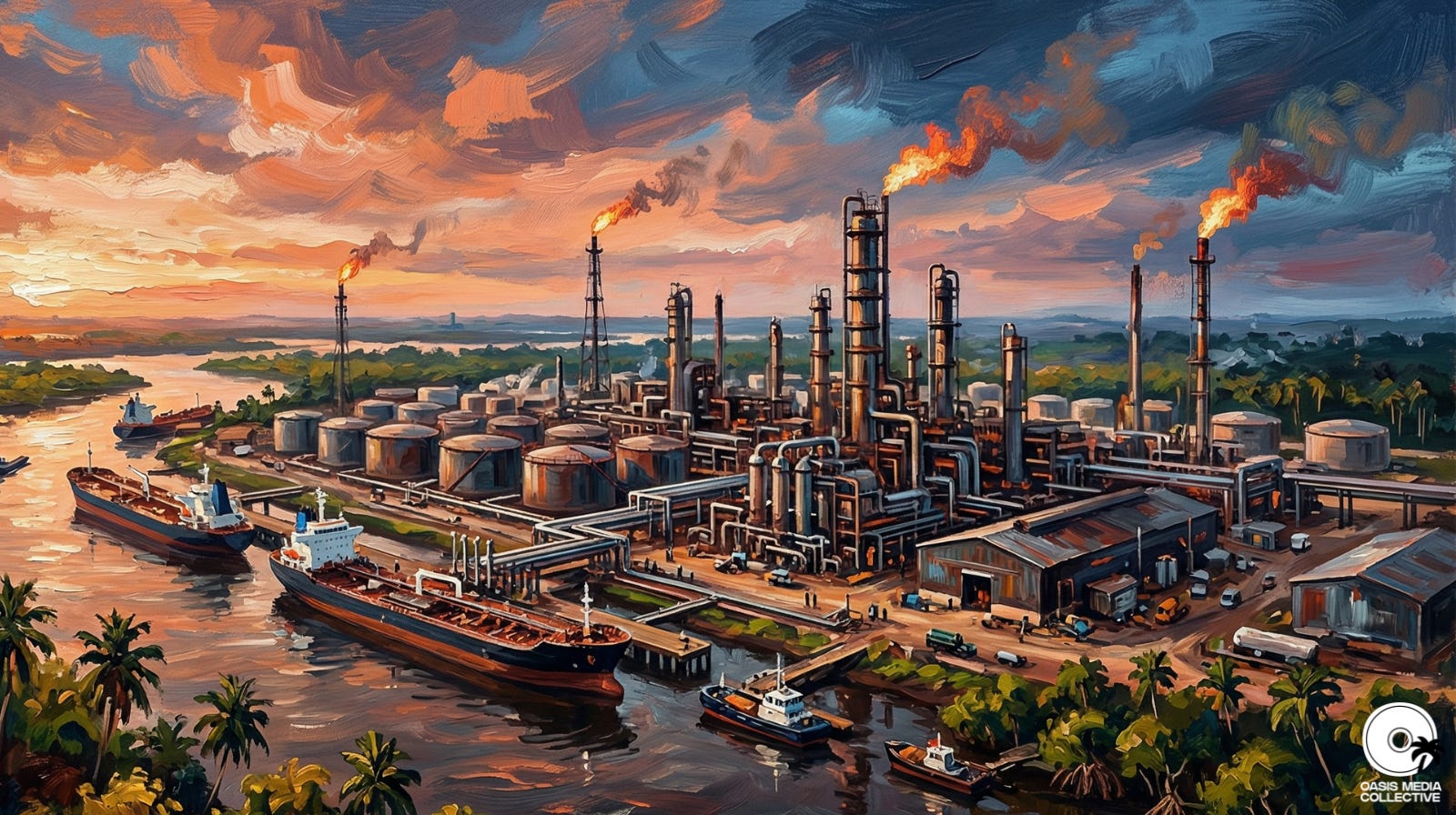
NIGERIA: The World’s New Energy Giant Struggling At Home
WHAT HAPPENED?
Nigeria is facing record fuel prices of ~₦1,400 ($1 USD) per liter, up 65%, despite the ramp-up of production at the Dangote Refinery. At the same time, Abuja removed foreign exchange restrictions on oil export revenues to attract foreign capital, as global demand for Nigerian LNG is surging with buyers seeking alternatives to disrupted Middle East supply.
WHY IT MATTERS?
Nigeria’s energy potential faces a structural gap: refining capacity has improved, but upstream constraints and FX dynamics still drive domestic prices. Simultaneously, Nigeria is emerging as a key Atlantic Basin energy supplier but faces many of the same global energy challenges must of the world is confronting.
WHAT’S NEXT?
As European buyers increasingly turn to African states for energy supply, Nigeria is likely to increase oil production to meet both domestic and foreign demand, while also launching FX reforms to secure foreign investment.
ETHIOPIA: Making Investment Inroads
WHAT HAPPENED?
Ethiopia signed $13 billion in investment deals across multiple sectors at the “Invest in Ethiopia 2026” conference, positioning itself as a key frontier growth market despite regional economic turbulence.
WHY IT MATTERS?
While many emerging markets are experiencing capital flight amid the Iran crisis, Ethiopia is bucking the trend by securing investment commitments. This signals confidence in its growth potential, but macroeconomic fragility and FX shortages could limit the impact of these deals.
WHAT’S NEXT?
As the specter of war between Ethiopia and Eritrea looms, watch how conflict outbreak can upend foreign investment decisions in Ethiopia.
ALGERIA: A Changing Relationship with the Polisario Front
WHAT HAPPENED?
Algeria has orchestrated a major leadership shake-up within the Polisario Front, replacing around 20 senior figures in its political and militia structures. The move comes amid growing US pressure, including calls from Congress, to designate the group as a terrorist organization. Hardline commanders and officials who advocated violence were removed and replaced by individuals more closely aligned with Algerian military interests.
WHY IT MATTERS?
The restructuring signals Algeria’s attempt to manage international scrutiny while maintaining influence over the Western Sahara conflict, but it exposes internal fractures that could destabilize the group further: The reshuffle has sparked protests and unrest in Polisario refugee camps.
WHAT’S NEXT?
As Algeria courts Western buyers of its energy, Algiers is likely to face greater scrutiny from Washington and other Western powers over its position in the Western Sahara conflict, threatening its export revenues. Algeria is likely to make additional reforms to its relationship with the Polisario Front without jeopardizing its partnership with the group entirely.
This reporting may be cited with attribution to Oasis Media Collective. For licensing, republication, or extended use, contact here.