

Libya Energy Deals, Tanzania Budget, Starlink Expansion & Uranium Mining
Insights Dispatch - June 17, 2026

Welcome to the Wednesday edition of Insights Dispatch, our flagship brief of the latest developments bridging Africa and the Gulf
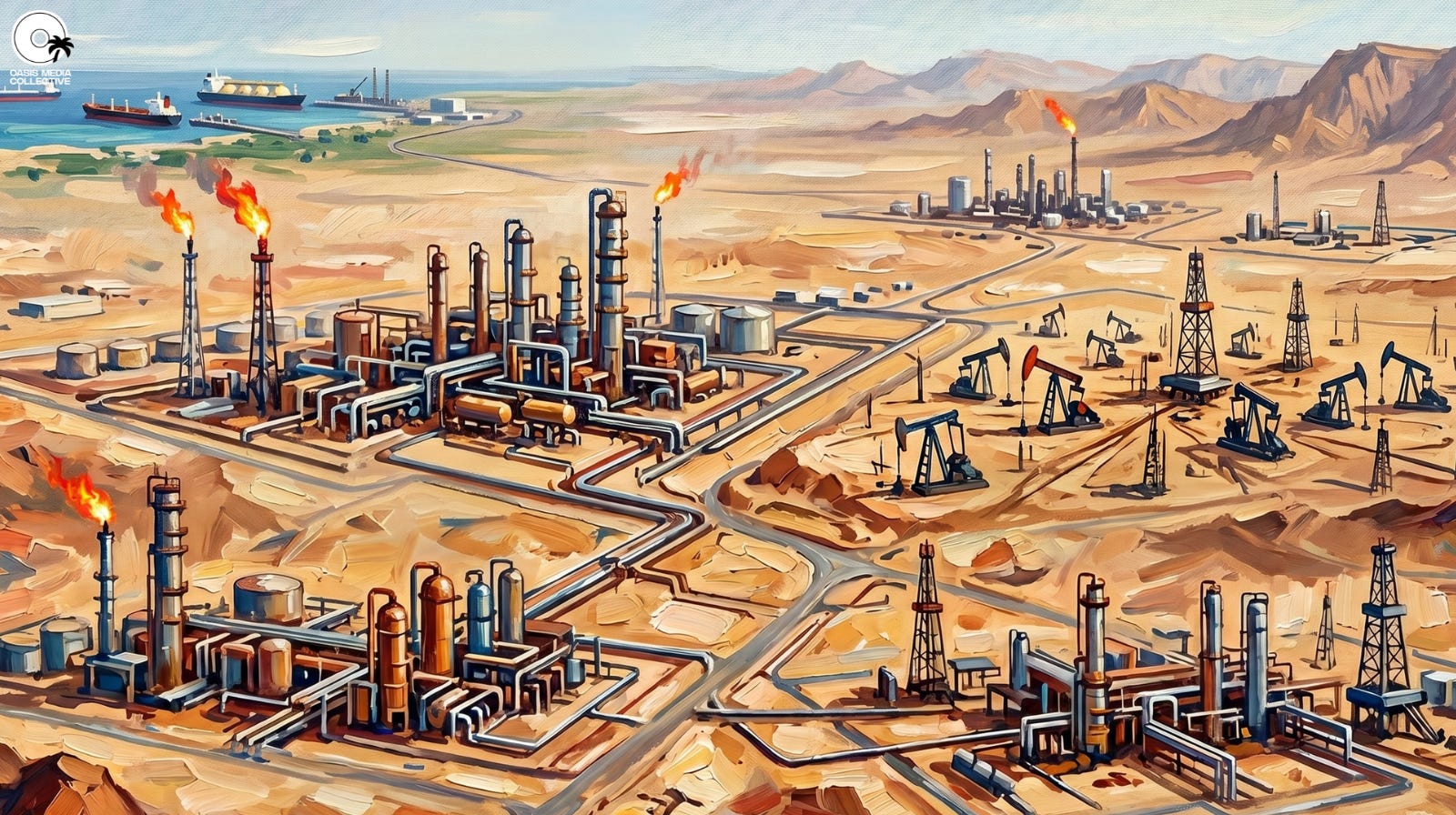
NORTH AFRICA: Libya Secures Energy Deal with QatarEnergy and Others
WHAT HAPPENED?
Libya’s National Oil Corporation signed production-sharing agreements with QatarEnergy, Eni, Repsol, Türkiye Petrolleri, and MOL Group following the country’s first oil and gas licensing round since 2007.
WHY IT MATTERS?
The deals signal renewed international confidence in Libya’s upstream sector despite ongoing political divisions, as the country seeks to raise output from 1.4 million to 2 million barrels per day.
WHAT’S NEXT?
For the GCC, Libya’s newly awarded exploration blocks represent an early-mover opportunity in one of Africa’s most reserve-rich markets, though political risk due diligence remains essential before committing capital.
EAST AFRICA: Tanzania Unveils $23.8 Billion Budget for Next Year
WHAT HAPPENED?
Tanzania announced a $23.8 billion budget for 2026/27, a 10% spending increase, with roughly three-quarters funded through domestic revenue as foreign aid declines.
WHY IT MATTERS?
The shift reflects a broader East African trend away from donor dependence, with Tanzania betting on self-financed growth through infrastructure, healthcare, and education investment.
WHAT’S NEXT?
Tanzania’s infrastructure push opens concrete opportunities for Gulf partnerships in construction, energy, and logistics, viable entry points into one of East Africa’s most stable and fast-growing economies.
CENTRAL AFRICA: Equatorial Guinea’s Government Resigns
WHAT HAPPENED?
Equatorial Guinea’s Prime Minister Manuel Osa Nsue Nsua and his entire cabinet resigned on June 16, 2026, after the government achieved less than 10% of its performance targets, prompting a cabinet overhaul under Vice President Teodoro Nguema Obiang Mangue.
WHY IT MATTERS?
Political reshuffles in small oil-dependent economies can shift procurement priorities and contract landscapes rapidly, creating both uncertainty and opportunity in the near term.
WHAT’S NEXT?
The cabinet reset signals a potential opening for new Gulf partnerships, provided that fresh infrastructure and development mandates are set up. Monitoring which sectors the incoming government prioritizes could reveal early entry points into Equatorial Guinea’s oil and public services markets.
WEST AFRICA: Starlink Arrives to Côte d’Ivoire
WHAT HAPPENED?
Starlink secured licenses to launch in Côte d’Ivoire by July 2026, marking the twenty-seventh African market as part of the service’s continent-wide expansion.
WHY IT MATTERS?
Satellite internet is bypassing Africa’s infrastructure gaps, unlocking connectivity for rural businesses, schools, and healthcare, accelerating digital economies that were previously too costly to reach.
WHAT’S NEXT?
For the GCC, already close backers of Starlink’s parent company, SpaceX, the service’s rollout signals growing demand for digital services, e-commerce, and fintech across underserved African markets.
SOUTHERN AFRICA: Australia Widens Uranium Mining in Zambia
WHAT HAPPENED?
Australia’s Atomic Eagle expanded uranium mineralization at its Chisebuka deposit in Zambia, with drilling confirming significant high-grade zones and plans for large-scale mine development by late 2026.
WHY IT MATTERS?
As global nuclear energy demand rises, Zambia is emerging as a serious uranium frontier, attracting mining capital and signaling broader extractive sector growth in southern Africa.
WHAT’S NEXT?
Zambia’s expanding uranium build-out offers new entry opportunities for Gulf mining in Southern Africa, particularly as the GCC’s uranium demand rises.