

Kenya Is Selling Its Crown Jewel as It Pivots to Private Capital
Nairobi’s pivot to private capital could reshape East Africa’s startup ecosystem and change how Western VCs approach the region.

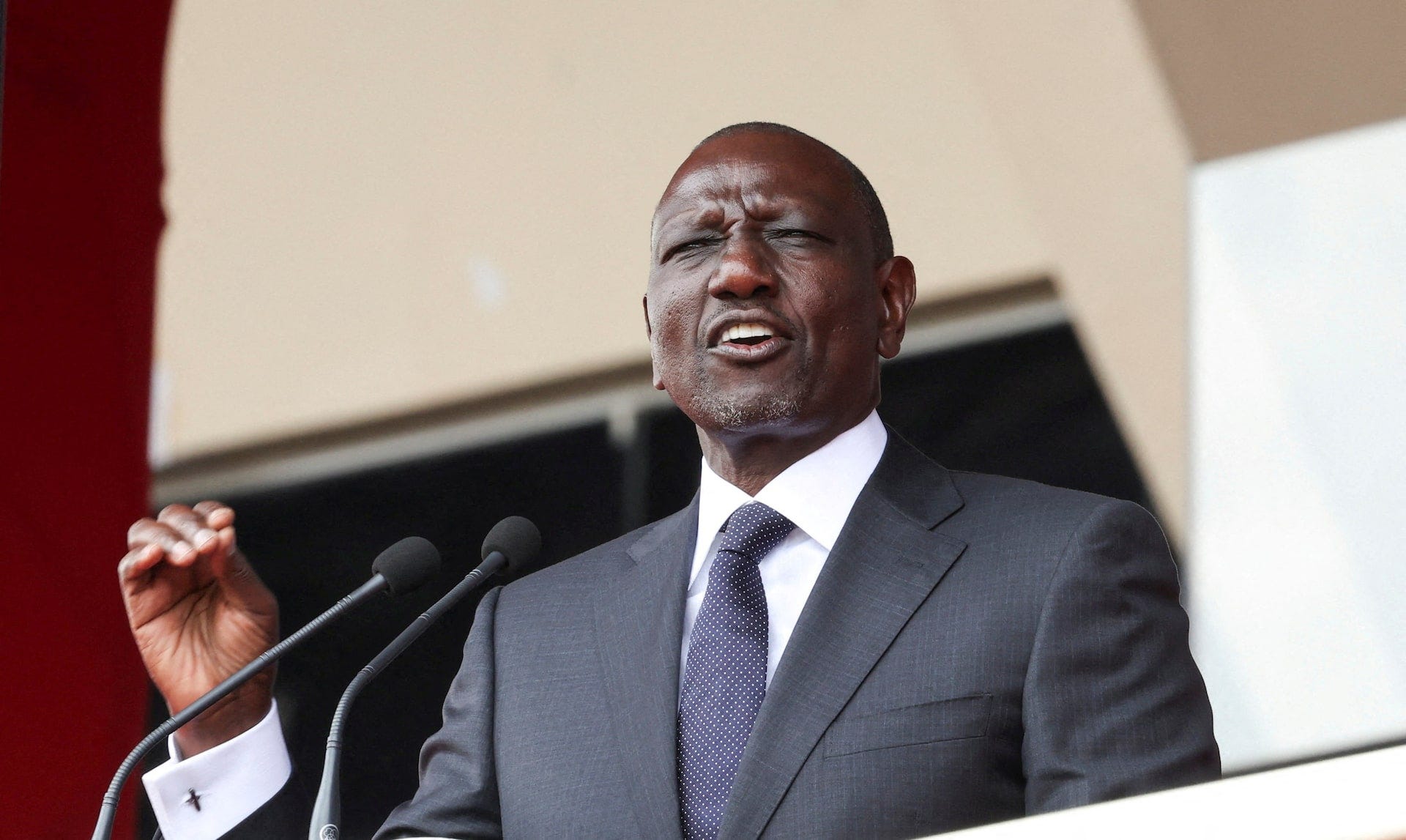
Kenya’s cabinet has approved the creation of two new state investment vehicles—an infrastructure fund and a sovereign wealth fund—marking a decisive shift in how the government plans to finance growth. Rather than relying on additional sovereign borrowing, Nairobi is turning to private capital to fund large-scale projects across energy, transport, and digital infrastructure.
One such project includes the recently announced critical transmission lines worth $311 million to be build with pan-African infrastructure fund Africa50, described as the “first of its kind” in the continent.
To seed these new funds, the government intends to sell a $1.58 billion stake in Safaricom, Kenya’s most valuable state-linked asset, alongside future divestments of other public holdings. The move comes as debt pressures mount, IMF oversight tightens, and political space for further borrowing narrows.
By monetizing mature assets and channeling proceeds into professionally structured funds, the government is attempting to reduce macro risk, stabilize public finances, and present itself as a more predictable partner for long-term investors. For global capital, particularly venture and growth funds, this kind of signaling matters almost as much as deal flow itself.
For Western VCs particularly, Kenya’s move strengthens the underlying investment case for East Africa. Sovereign wealth and infrastructure funds, if governed transparently, tend to anchor institutional confidence and improve perceptions of political and currency stability. That, in turn, lowers the financial barriers to deploying venture capital.
Most importantly, infrastructure-led investment creates downstream demand. Expanded energy grids, connectivity, and digital public services tend to generate opportunities for startups operating in both fintech and cleantech. This favors companies with real revenue and scale potential, rather than speculative early stage players.
The strategy, however, is not without risk. Poor governance of the new funds, politicized asset sales, or limited opacity in capital allocation could quickly undermine investor confidence. The success of this pivot will depend less on the headline announcements and more on execution.
Investors will be watching closely who ends up managing the new funds, whether Western DFIs and pension capital participate early, and how Safaricom’s partial divestment is received by markets. Just as importantly, Kenya’s experiment may become a template—or a warning —for other East African economies considering similar paths.
For more on the intersection of geopolitical strategy and venture capital across Africa, share and follow Oasis Media Collective (OMC).