

Is M23's Pullback from Uvira a Credible Withdrawal or Peace Process Gambit?
As M23 announces a pullback from the strategic border city of Uvira to support peace efforts, Kinshasa and locals question whether forces have truly left.

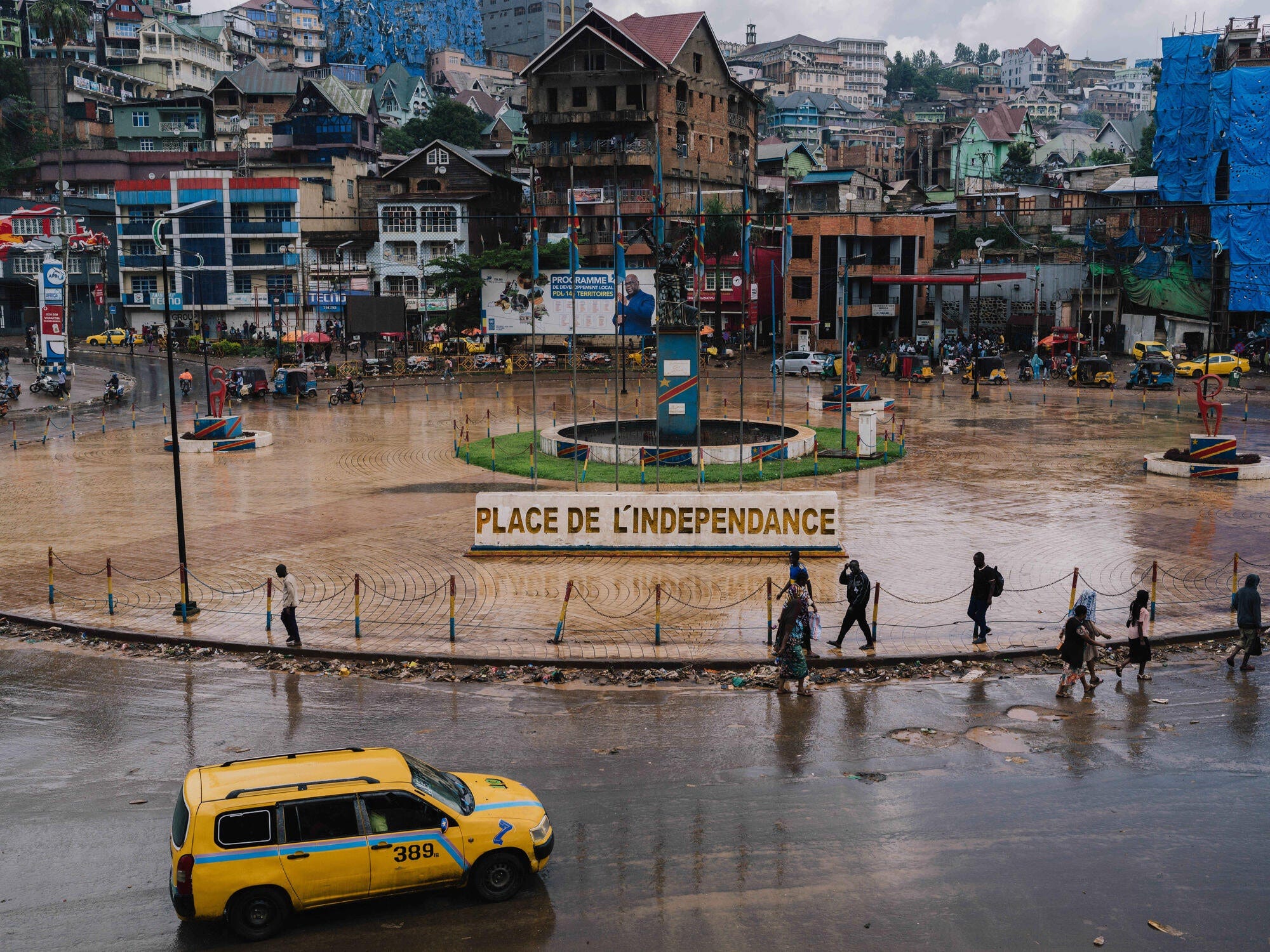
The Rwanda-backed M23 rebel group has announced it is withdrawing its fighters from the eastern Democratic Republic of Congo (DRC) city of Uvira, a move framed as a goodwill gesture amid faltering peace talks. However, conflicting accounts from local authorities and observers have raised doubts about whether the pullback represents genuine de-escalation or tactical repositioning.
According to multiple reports, M23’s political leader, Bertrand Bisimwa, announced on social media that the faction had begun moving forces out of the city and expected the process to be completed by Thursday. The Congo River Alliance (AFC), a coalition allied with the M23, also called for security guarantees, including a neutral force to help protect civilians and prevent reprisals following their exit.
However, both government officials and independent observers have questioned the actual extent of the withdrawal, with the U.S. State Department stating that is has seen no credible evidence that M23 forces were pulling out, as well as residents reporting that fighters remained visible in parts of Uvira.
The announcement comes as diplomatic efforts to stabilize eastern DRC remain fragile. The conflict has repeatedly drawn in neighboring countries, with the Congolese government accusing Rwanda of backing M23, a claim Kigali denies despite mounting evidence cited by the U.S. and other states. The fighting has displaced hundreds of thousands of civilians this year alone and further strained humanitarian operations in the region.
The situation has also heightened concerns in Burundi, which has increased troop deployments near its western border amid fears that renewed instability could spill over.
International pressure on Rwanda has intensified in recent months. The U.S. and European partners have urged all parties to commit to verifiable ceasefires and to allow independent monitoring of any withdrawals. Analysts note that without clear verification mechanisms, announcements by armed groups risk becoming part of a pattern of short-term tactical pauses rather than steps toward durable peace.
Eastern DRC has endured decades of cyclical violence driven by competition over territory, ethnic tensions, and control of mineral-rich land. While M23’s declared withdrawal has raised cautious hopes among residents of Uvira, many remain skeptical after repeated ceasefires collapsed in the past.
For now, regional stability hinges on whether diplomatic initiatives can translate into enforceable security arrangements on the ground or whether eastern Congo is headed toward another escalation under the guise of disengagement.
For more on the intersection of geopolitical strategy and venture capital across Africa, share and follow Oasis Media Collective (OMC).