


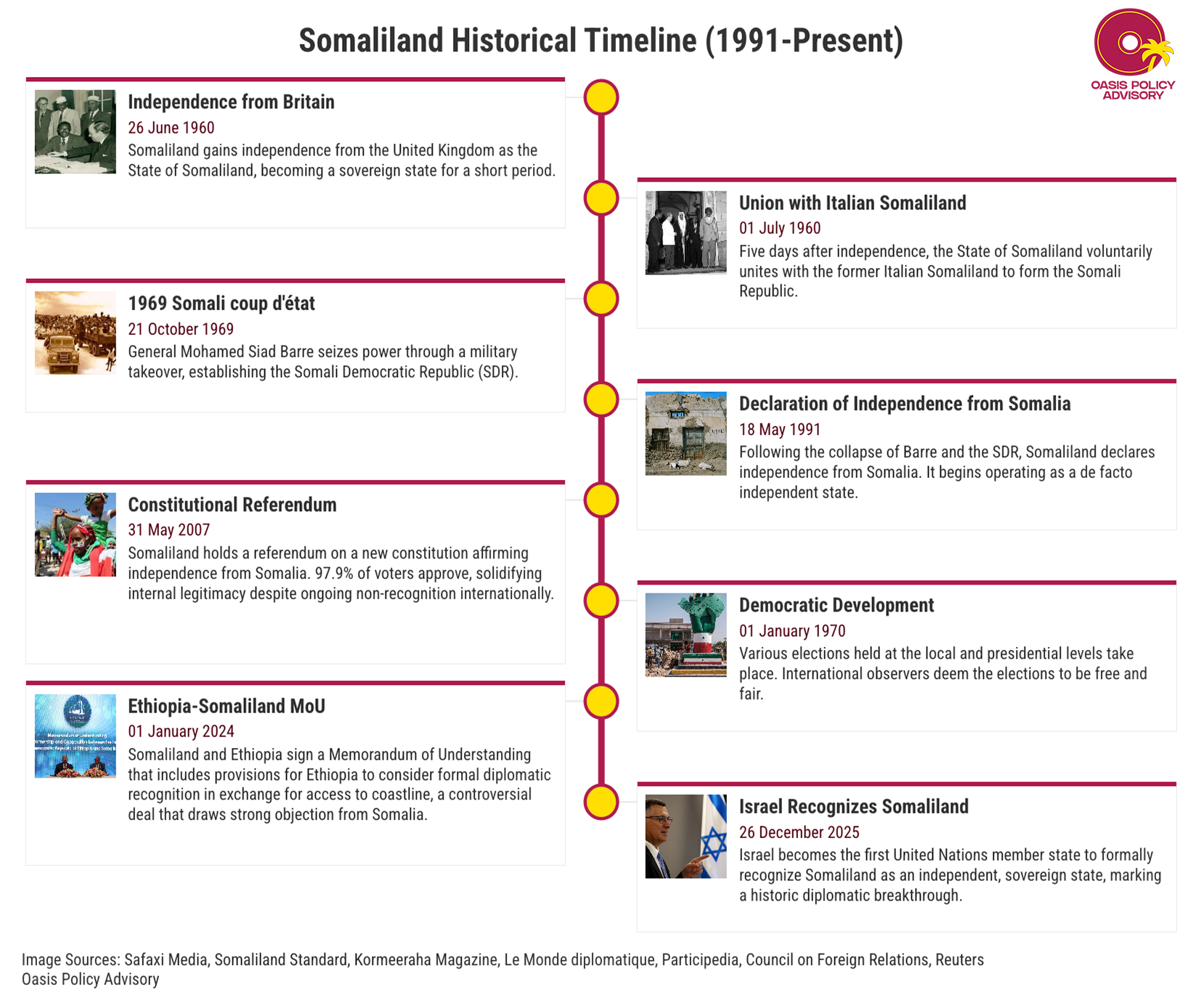
On December 26, 2025, Israel became the first United Nations member state to formally recognize the Republic of Somaliland as an independent, sovereign state. The recognition was confirmed by mutual declarations signed by Israeli Prime Minister Benjamin Netanyahu and Somaliland officials.
The move prompted immediate regional backlash and reignited geopolitical discourse surrounding the Horn. Somalia’s federal government—which maintains that Somaliland remains part of its sovereign territory—rejected the recognition, calling it a violation of its sovereignty and a deliberate attack on its territorial integrity. Widespread protests also erupted in Mogadishu.
International bodies followed suit. The African Union and the Organization of Islamic Cooperation (OIC) both expressed opposition, with the AU calling for the “immediate revocation” of the recognition and the OIC warning of its “serious repercussions” for regional stability.
Despite the widespread backlash and heated discourse, Israel is far from the only state to have contemplated formal diplomatic recognition of Somaliland.
Just across the Horn, Ethiopia entered talks with Somaliland over a year earlier that could have led to formal recognition. With Israel having now set a global precedent, the question is whether Addis Ababa will resume where it left off and extend the trail of Somaliland’s diplomatic recognition.
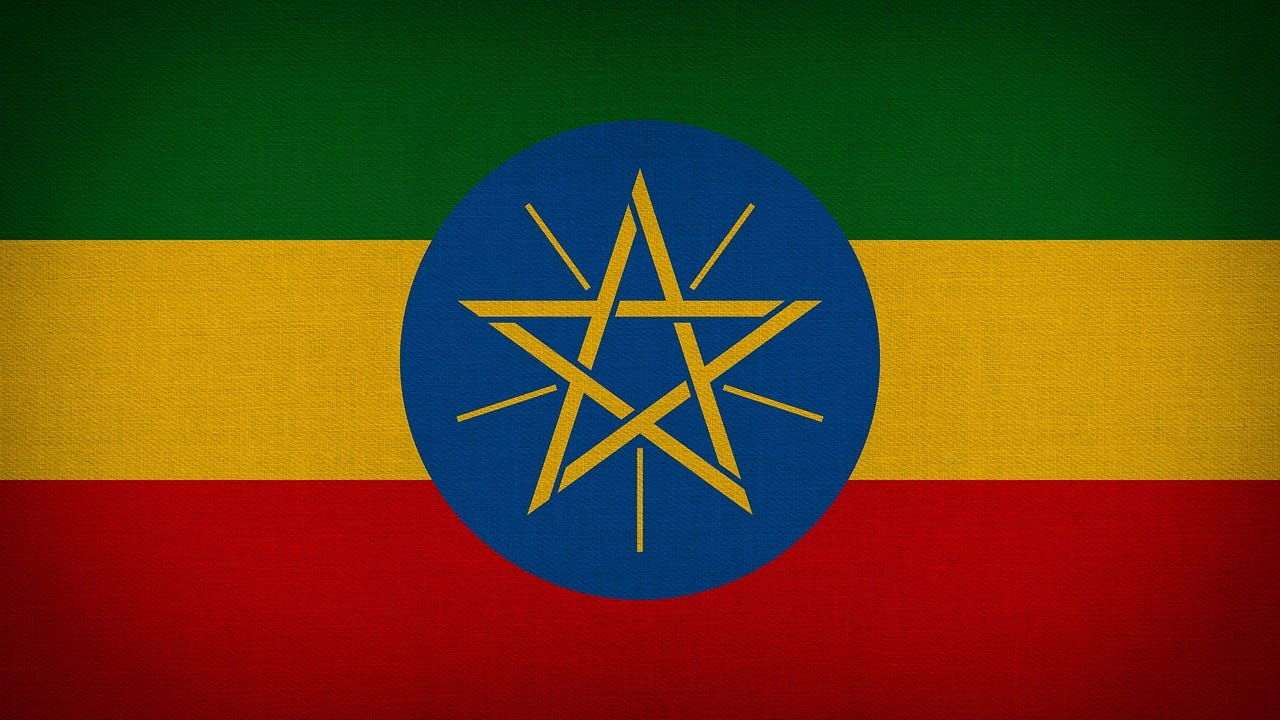
Ethiopia’s Red Sea Ambitions
As the capital of the world’s most populous landlocked country, Addis Ababa has long aspired to regain access to the sea, a strategic imperative that contributed to Ethiopia’s annexation of Eritrea in 1962. Since Eritrea’s secession in 1993, Ethiopia has been dependent on Djibouti for 95% of its seaborne trade, at an annual cost of $1.5 billion.
Seeking to reduce this dependency, Ethiopia signed a controversial agreement with Somaliland’s breakaway government in 2024. Under the memorandum of understanding (MoU), Somaliland would lease approximately 19-20 kilometers of Gulf of Aden coastline to Ethiopia for commercial and naval use over a 50-year period. In return, Addis Ababa would commit to an “in-depth assessment” of formally establishing diplomatic ties with Somaliland, an arrangement that Somaliland officials hailed as a breakthrough. Then Somaliland President Muse Bihi Abdi stated:
“Today, it is with immense pride, I announce the mutually beneficial agreement between Somaliland and Ethiopia. In exchange for 20km sea access for the Ethiopian Naval forces, leased for a period of 50 years, Ethiopia will formally recognize the Republic of Somaliland, setting a precedent as the first nation to extend international recognition to our country.”
The MoU drew a sharp rebuke from Somalia, which recalled its ambassador to Ethiopia and passed a legislation nullifying the agreement.
Although Turkey later brokered a mediation process in December 2024 aimed at easing tensions between Addis Ababa and Mogadishu, Ethiopian Prime Minister Abiy Ahmed has continued to reiterate that Red Sea access remains non-negotiable for Addis Ababa. “The Red Sea was in our hands 30 years ago,” Abiy said. “That history was yesterday’s mistake. Tomorrow it will be corrected. It is not too difficult.”
These remarks have reignited tensions with neighboring Eritrea, as Ethiopian officials have suggested the possibility of regaining maritime access through Eritrea’s port city of Assab.
“The question now is not whether Assab is ours or not, but how we get it back,” Ethiopian Ambassador to Kenya and retired General Bacha Debele Bacha said in an interview on November 3.
In response, Eritrea formally withdrew from the Intergovernmental Authority on Development (IGAD), East Africa’s regional bloc, on December 12. In a statement, Asmara accused IGAD of having “forfeited its legal mandate and authority” and failing to uphold its mission of fostering regional stability.
Connecting these developments reveals a broader shift: there is an emergence of two differing alignments in the Horn of Africa, with the Red Sea at the center of it.
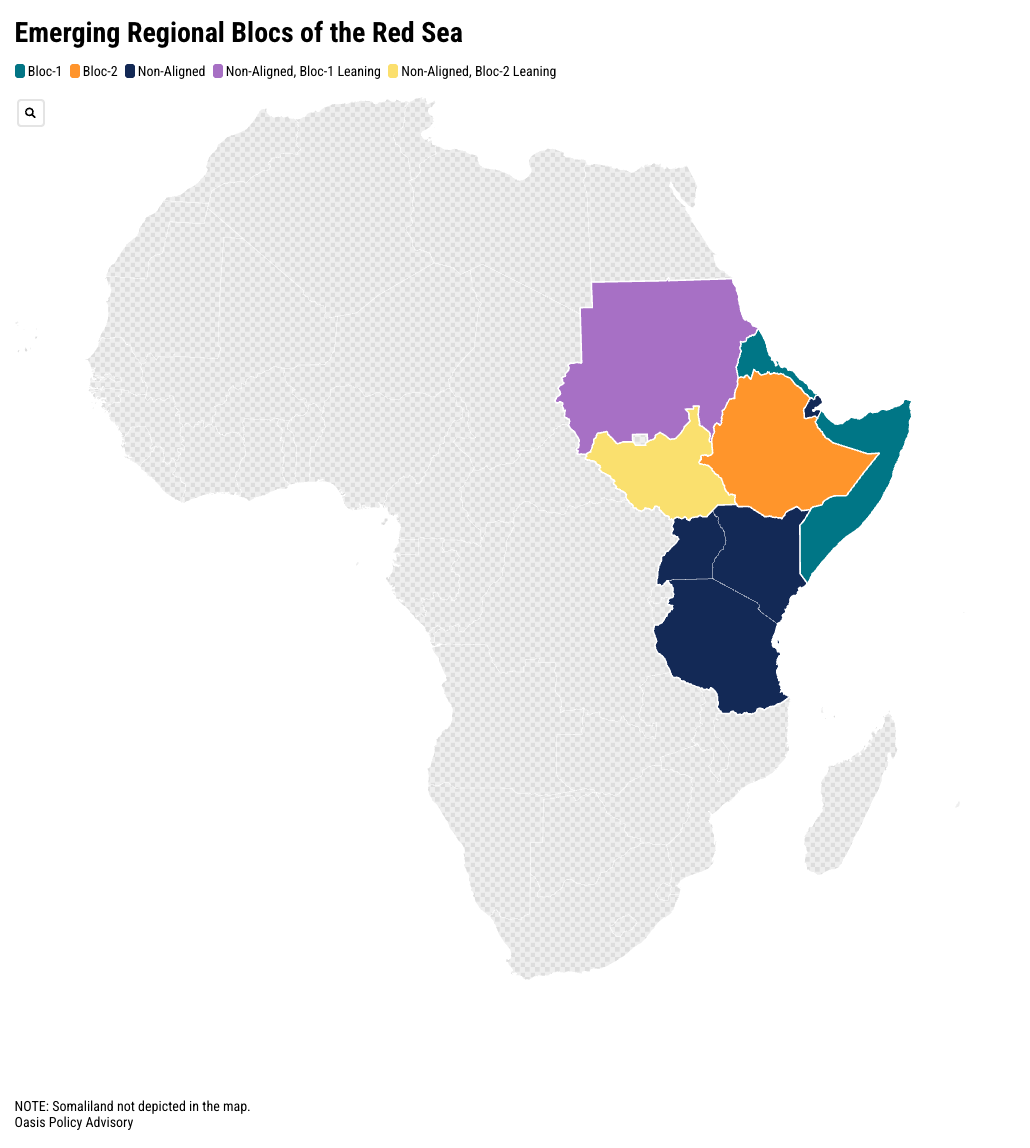

Israel’s recognition of Somaliland adds another layer to this evolving bloc dynamic, potentially elevating it into a global competition, as other foreign powers aim to gain a foothold along the Red Sea. Russia, for instance, has reportedly engaged in discussions with the Sudanese Armed Forces over the potential transfer of Su-30 and Su-35 fighter jets in exchange for access to a naval base in Port Sudan.
For global supply chains still recovering from the recent Red Sea crisis, such potential regional alignments threaten to spark new logistical shocks. A fragmented Red Sea environment could undermine coordinated maritime security efforts and reduce port access, translating into higher risk premiums and renewed shipping diversions.
What’s Next?
Ethiopia and Israel already enjoy strong ties. In February of last year, the two countries signed a landmark agreement to deepen cooperation across energy, water, agriculture, innovation, and infrastructure, leveraging Israeli technology to support Ethiopian development. Israeli Foreign Minister Gideon Sa’ar emphasized that bilateral relations between the two extend beyond modern diplomacy, and rather “go back to biblical times.”
Given these shared interests, combined with Ethiopia’s long-standing maritime ambitions, it is plausible that Israel’s recognition of Somaliland could revive stalled discussions between Addis Ababa and Hargeisa, potentially with Israeli mediation.
Ultimately, such a move is unlikely to take place in the near future. Despite its ambitions, Ethiopia—along with all its neighbors—remains committed to avoiding further escalation that could lead to complete diplomatic falling-out regionwide.
Yet, the precedent for Somaliland’s recognition is undeniably growing. Ethiopia’s earlier flirtation with the idea has already placed it on a trajectory that may, under the right conditions, resurface.
Oasis Media Collective goes where the headlines don’t by reporting on overlooked conflicts and geopolitical shifts with a data-driven lens. Follow for more to receive our intelligence briefs, visual explainers, and deep-dive reporting.
Have questions or want to discuss opportunities directly? Connect with us here.