


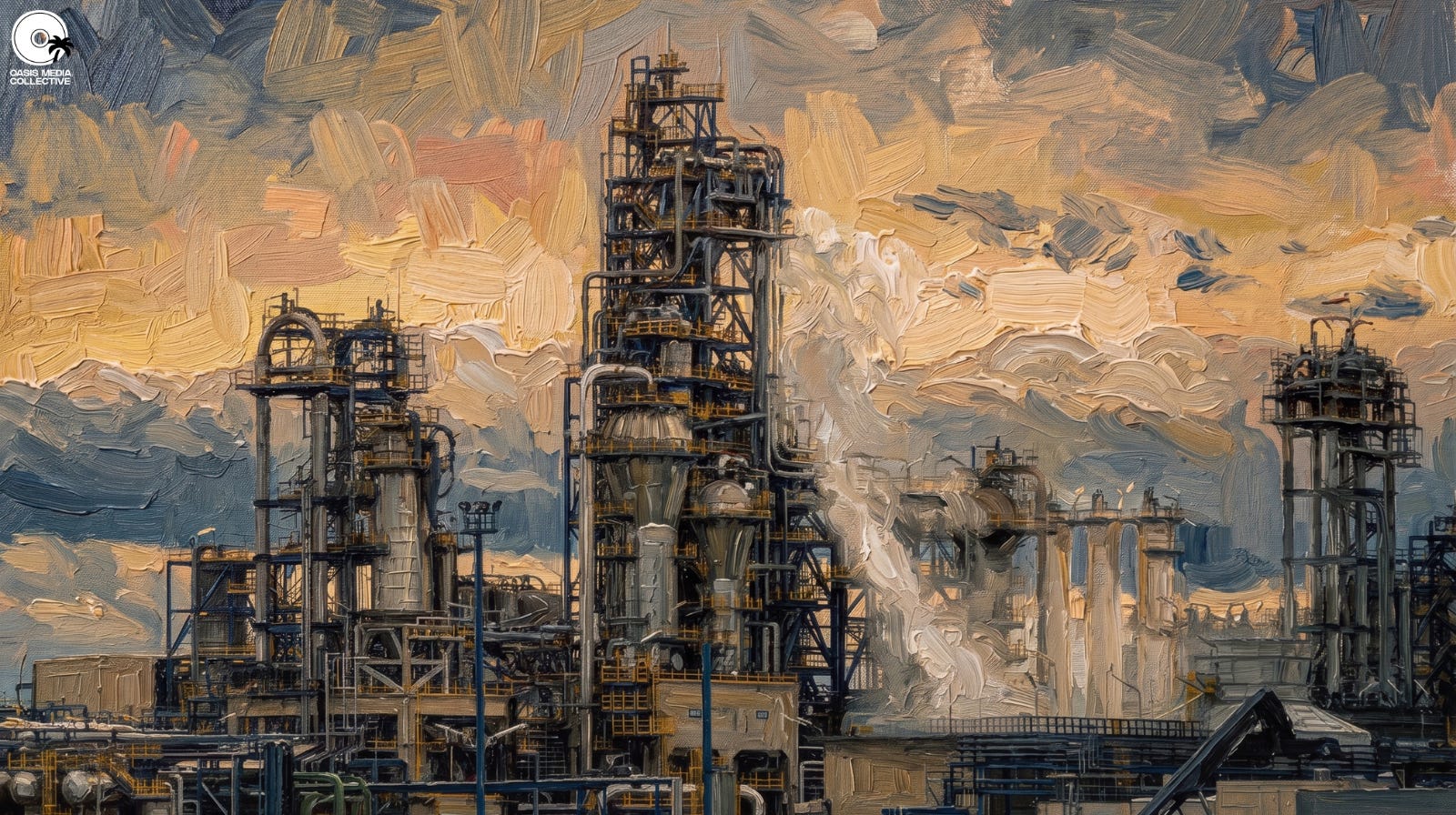
Brent Crude Crosses $90 as U.S.-Iran Military Strikes Escalate
Brent crude surged past $90 a barrel after U.S. forces launched targeted strikes on Iranian rocket installations on Larak Island, prompting retaliatory missile attacks from Tehran against American bases in Jordan. The strikes mark the sharpest escalation in military hostilities along the Strait of Hormuz in a month, disrupting maritime traffic through a critical global energy choke point.
For global markets, businesses, and investors, the military flare-up reintroduces a heavy geopolitical risk premium into energy inputs, threatening to reignite corporate margin pressure and headline inflation. Sustained supply disruptions along Gulf trade routes threaten supply-chain stability, driving up maritime insurance premiums and freight rates across Africa and Europe while dampening global equity market sentiment.
Niger Mutiny Quelled by Russian Forces
Calm has returned to Niger’s capital following a brief 24-hour military mutiny against General Abdourahamane Tchiani’s ruling junta, which was ultimately quelled after Kremlin-backed Africa Corps forces intervened to bolster loyalist troops. The uprising highlights severe internal friction within Niger’s armed forces as the regime deepens its dependence on Russian security to maintain its grip on power following the complete withdrawal of Western allies.
For Gulf investors looking to West Africa, the incident signals heightened political instability and heightened operational risk across the Sahel region. The junta’s reliance on irregular foreign mercenaries rather than institutional military stability raises critical questions about sovereign risk, supply-chain continuity for regional mining assets, and the enforceability of existing commercial contracts under a volatile government.
Ramaphosa Bets on $90B Infrastructure Pipeline to Drive Growth
President Cyril Ramaphosa declared infrastructure development the cornerstone of South Africa’s economic recovery and regional trade strategy, urging faster execution of cross-border transport, energy, and digital networks. Addressing leaders at SIDSSA 2026, Ramaphosa detailed that the country’s strategic project portfolio has expanded to R1.67 trillion across 195 major projects, supported by enhanced coordination under Infrastructure South Africa to bridge project-financing gaps.
For Gulf investors, the announcement signals an expanding pipeline of bankable public-private partnerships (PPPs) in energy, logistics, and municipal utility sectors. This is particularly the case for the UAE, a longtime infrastructure partner to South Africa. However, long-term commercial upside hinges on government execution; addressing chronic project-preparation bottlenecks and municipal operational inefficiencies remains crucial to derisking capital deployment and achieving sustained economic integration across the SADC region.