

Iran Defies Orders and Opposition Leader Arrested: Africa's Explosive 72 Hours
From a naval exercise gone wrong in Pretoria to post-election violence in Kampala, two major African flashpoints unleashing regional and global fallouts.

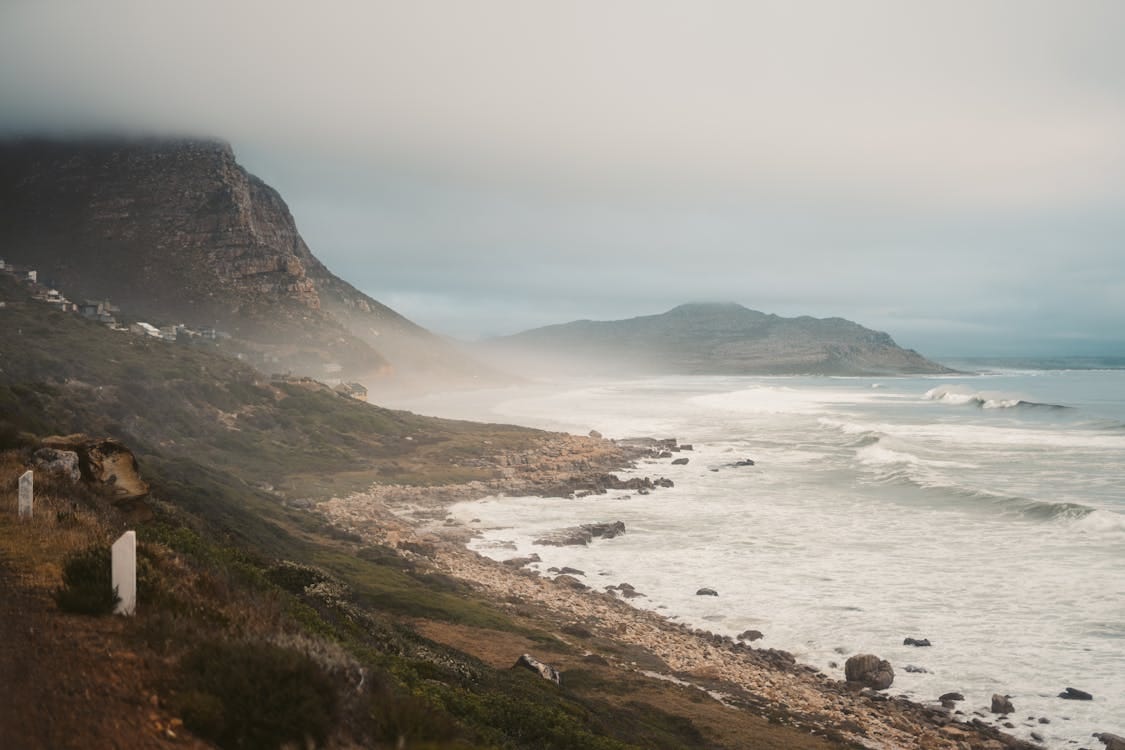
South Africa Investigates Iranian Participation in BRICS Naval Drills
South African Defense Minister Angie Motshekga has launched an official inquiry into how Iranian warships came to participate in a recent multinational naval exercise, despite reports that President Cyril Ramaphosa ordered their exclusion.
The “Will for Peace 2026” exercise, held January 9-16 off South Africa’s coast, involved vessels from BRICS and BRICS Plus nations, including China and Russia. While officially focused on maritime safety and rescue operations, Iran’s involvement has triggered diplomatic controversy and domestic political backlash.
The U.S. Embassy in Pretoria sharply criticized Iranian participation, describing Tehran as a “destabilising force” and a state sponsor of terrorism. American officials questioned how Iranian military forces were permitted in South African waters while Iran’s security apparatus stands accused of violently suppressing domestic protests.
Motshekga is now investigating whether presidential directives regarding Iran were misinterpreted or deliberately ignored by military officials. Opposition parties, such as the Democratic Alliance, have accused the government of damaging South Africa’s international standing and compromising its non-aligned foreign policy stance.
The incident underscores Pretoria’s delicate diplomatic position as it attempts to balance emerging-market partnerships with BRICS allies against maintaining constructive relations with Western powers, particularly the U.S. The controversy threatens to complicate South Africa’s broader diplomatic objectives and trade relationships at a time when the country seeks to preserve its reputation as a neutral actor on the global stage.
Uganda Detains Senior Opposition Figure After Deadly Election Violence
Ugandan authorities have arrested Muhammad Muwanga Kivumbi, the legislator of Butambala County, in connection with violence that erupted following the country’s January 15 general elections.
Police confirmed Kivumbi’s detention on January 22, stating he would face court proceedings over allegations linked to political violence in Butambala. The arrest comes amid sharply conflicting accounts of deadly clashes that left several dead.
Security forces claim armed groups attempted an attack on a police station and a vote-tallying center in the aftermath of Kivumbi’s electoral defeat in the parliamentary race, prompting their response. Ugandan President Yoweri Museveni stated that intelligence reports revealed plans by opposition members to “cause chaos” in areas of electoral defeats, with Butambala being one such area.
Kivumbi countered stating that no such police station attack took place. He added that the deaths occurred when security personnel stormed his residence and opened fire on civilians gathered to await election results.
The detention forms part of a broader crackdown following President Museveni’s declared victory in elections widely criticized by opposition groups. National Unity Party leader and prominent challenger Museveni Bobi Wine rejected the results as fraudulent and has since gone into hiding after taking only 24.7% of the vote, a stark contrast to Museveni’s 71.6%.
The escalating political crisis has drawn international concern over democratic governance and the rule of law in Uganda, with observers warning of potential further unrest as key opposition leaders remain in custody.
Oasis Media Collective goes where the headlines don’t by reporting on overlooked conflicts and geopolitical shifts with a data-driven lens. Follow for more to receive our intelligence briefs, visual explainers, and deep-dive reporting.
Have questions or want to discuss opportunities directly? Connect with us here.