


What Happened
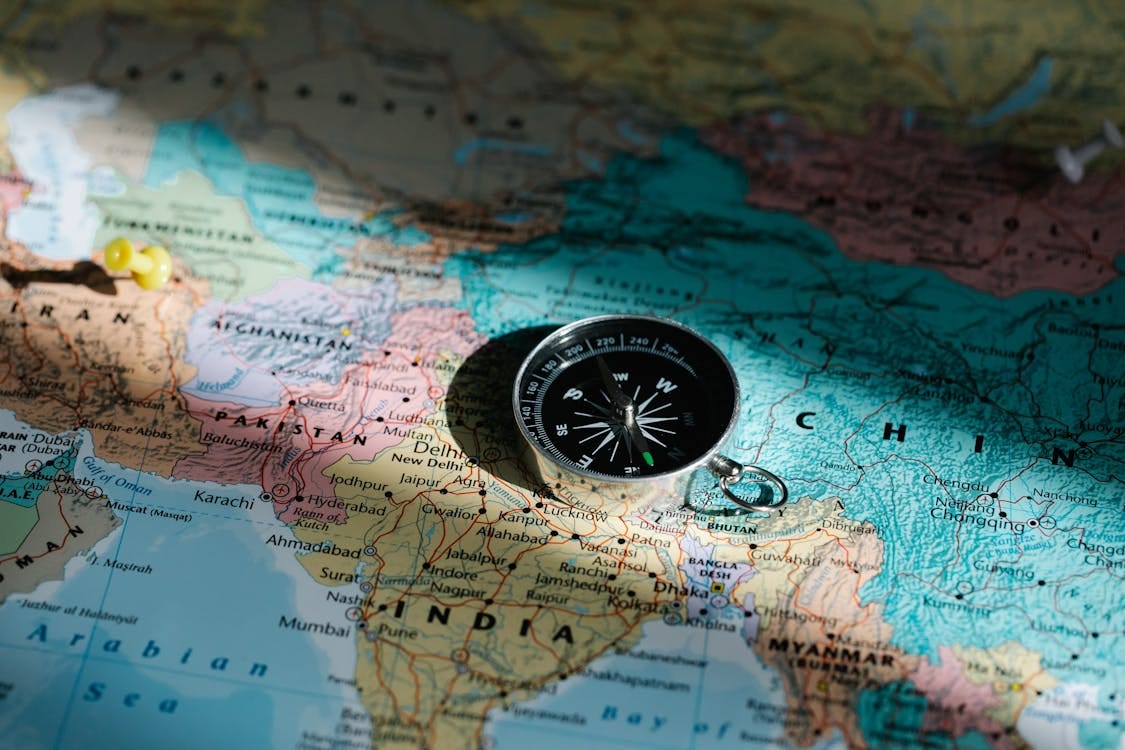
Last May witnessed the most dangerous escalation of India-Pakistan tensions since 1971. An attack on Pahalgam, India-administered Kashmir, on April 22 left 26 civilians dead; from that spark of bloodshed, a burning fire of war emerged. India accused Pakistan-based groups for the strikes, prompting a four-day border crisis in which bullets were unleashed and tanks drawn onto the battlefield.
Although concluded, the conflict exposed the fragile vulnerabilities that continue to define India-Pakistan relations. Since then, the two states have turned their focus westward, dramatically escalating their diplomatic, economic, and security engagements with Africa and the Middle East. The result: both regions are turning into new arenas of this enduring rivalry since 1971.
India’s approach has been anchored around three pillars: Jordan, Ethiopia, and Oman, in what strategic analysts are referring as a “triangle of influence.” In a landmark visit to Addis Ababa in December, Indian Prime Minister Narendra Modi announced a new India-Ethiopia Strategic Partnership aimed at deepening bilateral ties in trade, infrastructure, and regional diplomacy. Likewise, the India-Oman Comprehensive Economic Partnership (CEPA) was agreed upon, India’s sixth free trade agreement in five years. And Modi’s visit to Jordan marked the first time an Indian PM visited the country in 37 years.
New Delhi’s strategy extends beyond these three states. India also secured a massive $78 billion LNG deal with Qatar guaranteeing 7.5 million tons annually from 2028 and deepened defense cooperation with Israel. The Indian approach emphasized energy security, strategic partnerships, and what officials termed “civilizational diplomacy,” blending diaspora outreach, cultural programs, and development aid with hard security interests.
Pakistan matched this tempo with its own offensive. Prime Minister Shehbaz Sharif and Foreign Minister Ishaq Dar logged 71 trips combined, hosting a parade of leaders including Turkish President Erdoğan and Jordan’s King Abdullah II. Islamabad has pursued nearly $5.5 billion in arms deals with both Libya and Sudan and deepened ties with Iran through multiple high-level visits and 12 new memoranda of understanding, all while offering itself for mediation in the Gaza conflict.
Why It Matters
This westward shift reflects two fundamental changes reshaping South Asian geopolitics.
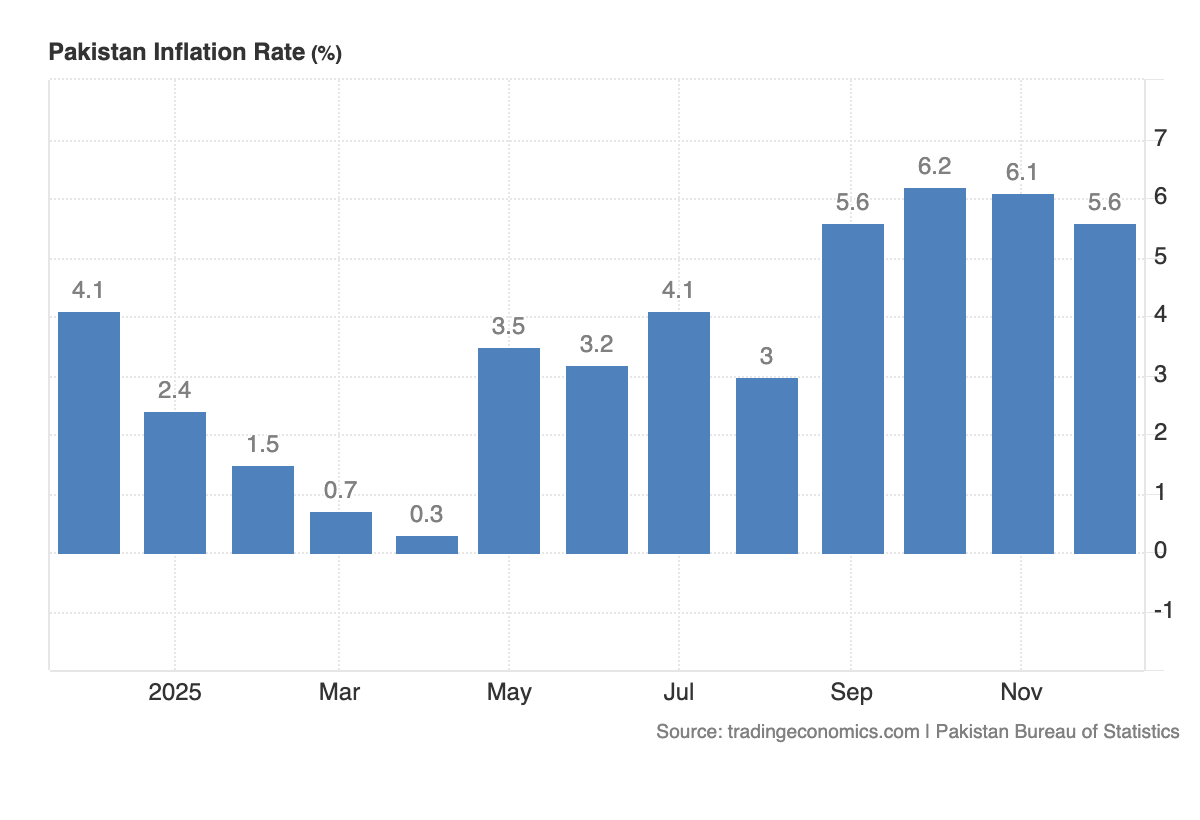
Firstly, the economic center of gravity for both nations is moving beyond their shared border. Energy security now drives Indian foreign policy as much as Kashmir once did; the Qatar LNG agreement alone represents estimated savings of $6 billion and locks in supply through a volatile decade. Meanwhile, Pakistan’s economic fragility—driven by a raging inflation rate—makes Middle East investment existential, not optional. Africa and the Middle East have become arenas where economic survival, not just strategic advantage, is at stake.
Secondly, both countries are leveraging these regions to escape bilateral constraints. India frames its African partnerships as part of its Global South diplomacy, projecting New Delhi as a reliable development partner and stabilizing force amid regional crises neighboring the Red Sea. Pakistan counters by positioning itself as a security provider, particularly for war-torn states and armed groups under sanction. Each uses foreign relationships to demonstrate international relevance and dilute the other’s dominance.
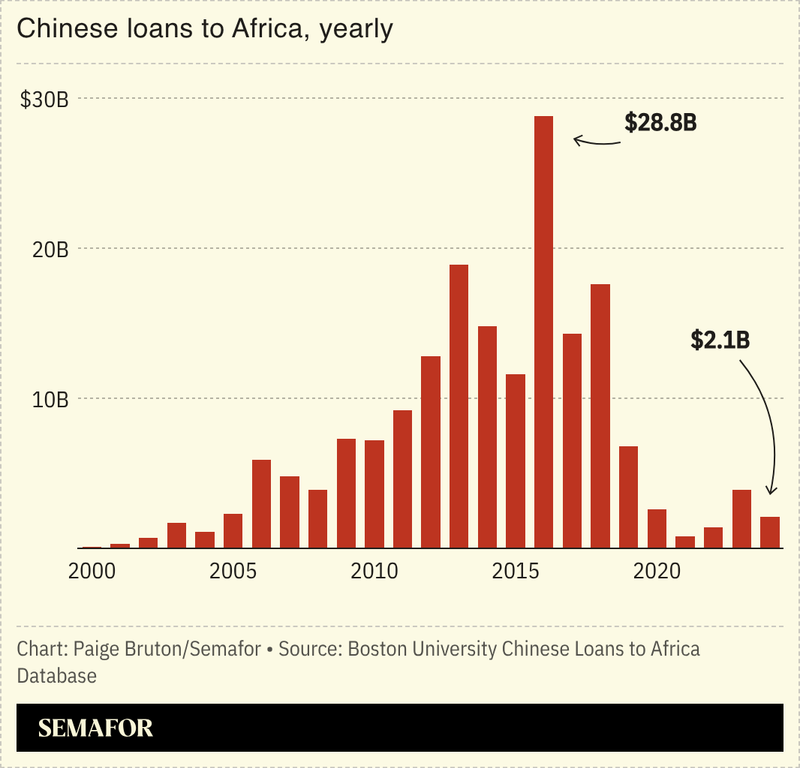
The implications extend beyond bilateral rivalry. Arms flows into Libya and Sudan risk inflaming existing conflicts. And as both nations chase African infrastructure and development projects, they risk coming into competition with more entrenched powers in the content, most notably China, which has loaned over $180 billion USD to African countries from 2000 to 2024.
For international businesses, India and Pakistan’s engagements are creating new supply chain routes connecting the Red Sea to Southeast Asia, enabling greater trade volume and deepening maritime investments. Likewise, new economic partnerships between involved countries create corresponding market opportunities, easing global expansion from Southeast Asia to Africa and the Middle East, and vice versa. Yet such engagements aren’t without risks; the risk of diplomatic entanglement can also lead to blowback that can harm organizations, specifically in the form of sanctions or new compliance regulations.
What’s Next
The westward competition shows no signs of slowing. India’s energy dependencies will drive continued diplomatic engagement, particularly as global energy markets face sudden shocks and New Delhi seeks to diversify beyond traditional suppliers. Ethiopia’s inclusion in Modi’s December tour signals India’s intent to deepen its involvement and foothold along the Red Sea to enhance its global trade prospects.
Pakistan faces a more precarious balancing act. Its pending arms deals with Libya and Sudan will test whether Pakistan can monetize its defense exports without entangling itself in North African civil conflicts. Islamabad will also have to contend with historical hostilities between states such as Ethiopia and Eritrea if it aims to deepen ties with both.
Arguably of greatest concern to both India and Pakistan would be a major Gulf security crisis between the U.S., Iran, and Israel. In the event of such, India would likely emphasize maritime security and logistical support, whereas Pakistan would present itself as a meditating party for the involved belligerents.
Competing African infrastructure bids will test whether both nations can deliver on development promises. India’s emphasis on capacity building and technology transfer contrasts with Pakistan’s arms-sales approach, but both lack China’s financial firepower. With Beijing increasingly drawing back its investments in Africa, both New Delhi and Islamabad may seize the moment to entrench themselves in Africa’s infrastructure landscape. Success will depend on whether African partners see genuine partnership or simply a new form of external competition playing out on their soil.
Ultimately, it is the states of Africa and the Middle East that hold the cards, as all are dedicated to maintaining strong ties with both India and Pakistan and leveraging the benefits of each. For both New Delhi and Islamabad, their rivalry in the region will be measured not in artillery exchanges but in LNG contracts signed in Tel Aviv, arms deals inked in Khartoum, and development MoUs announced in Addis Ababa. The India-Pakistan competition hasn’t ended; it’s simply gone global.
Oasis Media Collective goes where the headlines don’t by reporting on overlooked geopolitical dynamics. Follow for more to receive our deep-dive reporting.
Have questions or want to discuss opportunities directly? Connect with us here.