



KEY QUESTIONS
WHAT HAPPENED? Ethiopian rebel groups formed an alliance to overthrow the government and fighting has already broken out in the north.
WHY IT MATTERS? Ethiopia sits next to the Red Sea and produces the world’s most coveted Arabica coffee, so a new war can boost prices of both commodities.
WHAT’S NEXT? Watch whether the coalition holds together, whether Eritrea moves from alleged backer to open combatant, and whether Oromia’s coffee belt stays out of the crossfire.
While you were sipping your morning coffee or filling up your gas tank, Ethiopia reached a potentially deadly turning point.
On September 20, seven armed opposition groups announced a united front: the Ethiopian People’s Forces Alliance. Chief among them is the Tigray People’s Liberation Front (TPLF), once the dominant force in Ethiopian politics Despite deep political and ethnic divisions, they’re united by one goal: ousting Prime Minister Abiy Ahmed.
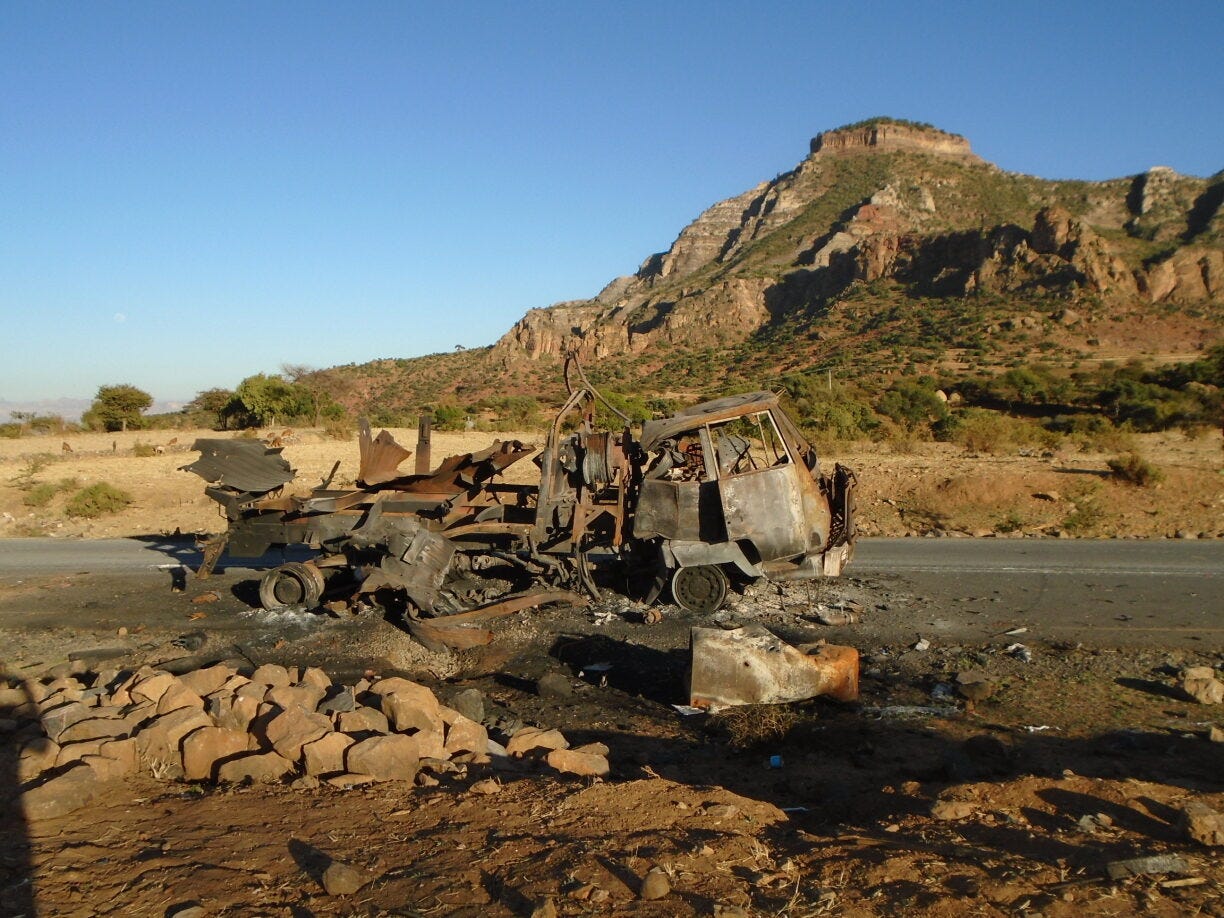
Three days later, the alliance made its move. Regional airports were seized in a major offensive that caught the federal government off guard. Fighting has since disrupted telecom networks across Tigray and spread into the neighboring Amhara and Afar regions, raising an uncomfortable question: is Ethiopia sliding back into the war that killed roughly 600,000 people between 2020 and 2022, the deadliest conflict of the 21st century?
Whatever happens next won’t stay inside Ethiopia’s borders. That coffee and gas are about to feel it too.
From Dominance to Disarray
The ongoing violence is just the latest episode in a wider political saga that has gripped Ethiopia since the ethno-federal political order emerged in 1991 when the Ethiopian People’s Revolutionary Democratic Front (EPRDF) coalition ruled. To catch you up to speed:
For nearly three decades, the TPLF were the dominant force within the EPRDF coalition.
In 2018, Prime Minister Abiy Ahmed reorganized the EPRDF into the Prosperity Party, which the TPLF did not join.
In 2020, with elections postponed over COVID-19, the TPLF called Abiy’s government illegitimate and held its own regional vote.
Tensions turned into war. Ethiopia’s federal forces struck an unlikely alliance with longtime rival Eritrea and Amhara militias like Fano to defeat the TPLF.
The war came to a close with the signing of the Pretoria Agreement in 2022. But the deal left territorial disputes unresolved and forces only partially disarmed, a fragile peace that’s now unraveling.
A War Without Borders
Since the end of the war, Ethiopia-Eritrea relations have nosedived. As the world’s most populous landlocked country, Ethiopia wants access to the Red Sea back, specifically the Eritrean port of Assab, roughly 70km from the two countries’ shared border. That’s driving tensions between Addis Ababa and Asmara, with Ethiopia accusing Eritrea of backing Ethiopian rebels, a claim Eritrea denies.
The web keeps widening. A February Reuters investigation found an alleged training camp for Sudan’s Rapid Support Forces inside Ethiopia’s Benishangul-Gumuz region. In May, Sudan’s army accused Ethiopia of backing drone strikes launched from its territory, a claim Addis denies. If war reignites, the fear is it won’t stop at Ethiopia’s borders. It could pull in both its direct neighbors and even other countries into the orbit, like Egypt and the Gulf states
Why Your Gas Tank and Coffee Mug Should Care
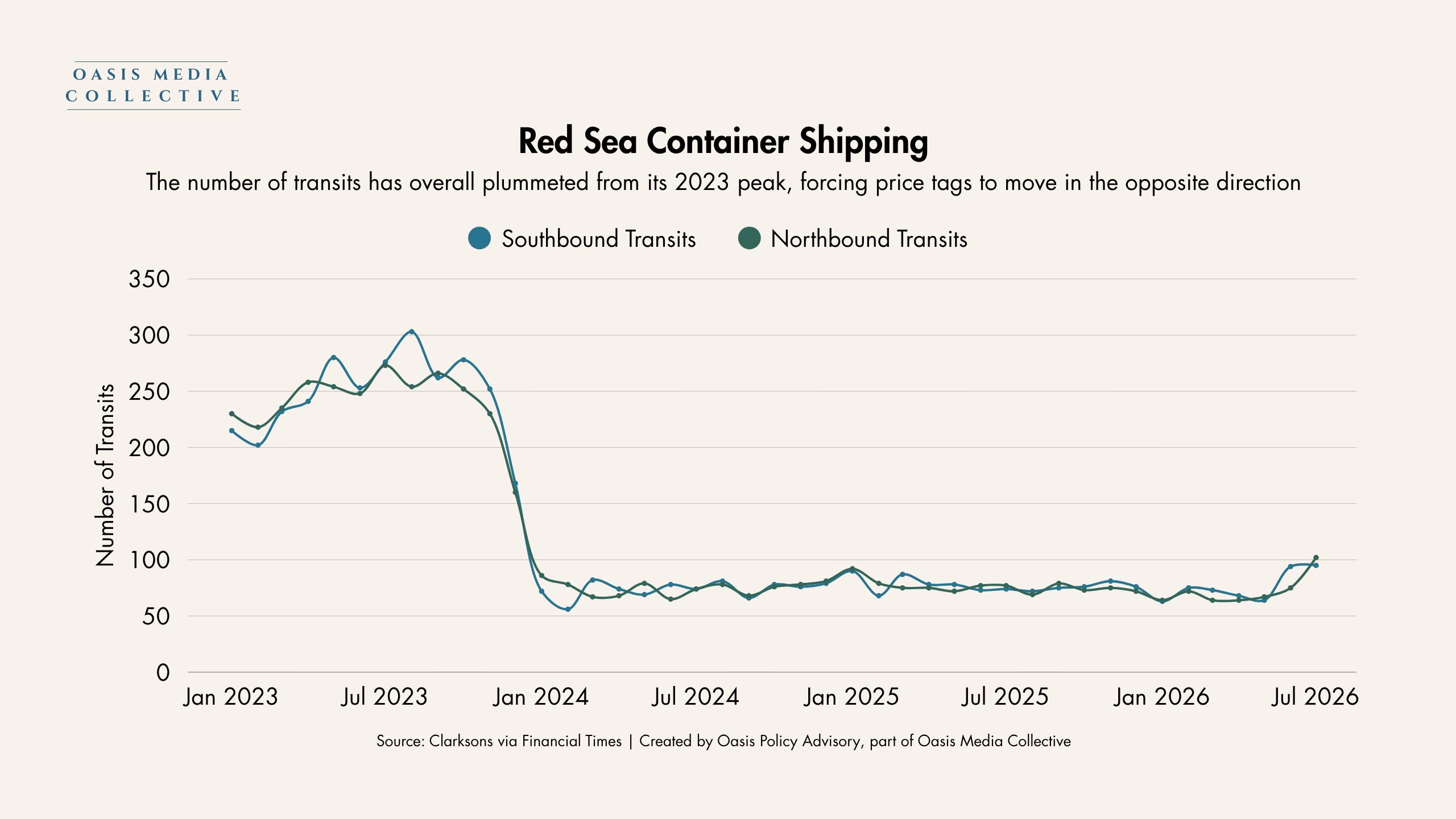
Roughly 10% of global trade, including 5% of oil, moves through the Red Sea, which the Horn of Africa sits next to.
Ethiopia’s ongoing turmoil is kickstarting just as the Iran-backed Houthi’s seized the port city of Mocha in Yemen, which sits next to the Red Sea, adding to an already severe maritime crisis. Amid the Houthi advances, attacks on tankers and the continued restriction of traffic in the Hormuz, Brent crude climbed above the $108 a barrel.
Coffee is next in line. Ethiopia is the world’s fifth-largest producer and third-largest exporter of Arabica, the bean behind roughly 60% of global production, according to the International Growth Centre. It exported $2.89 billion worth of coffee in 2024/25, up 69.4% in value according to a report from the U.S. Department of Agriculture.
The Oromia region of Ethiopia alone produces nearly 60% of that output, and it’s also home to the Oromo Liberation Army, an alliance member, putting the region’s coffee fields uncomfortably close to the fighting.
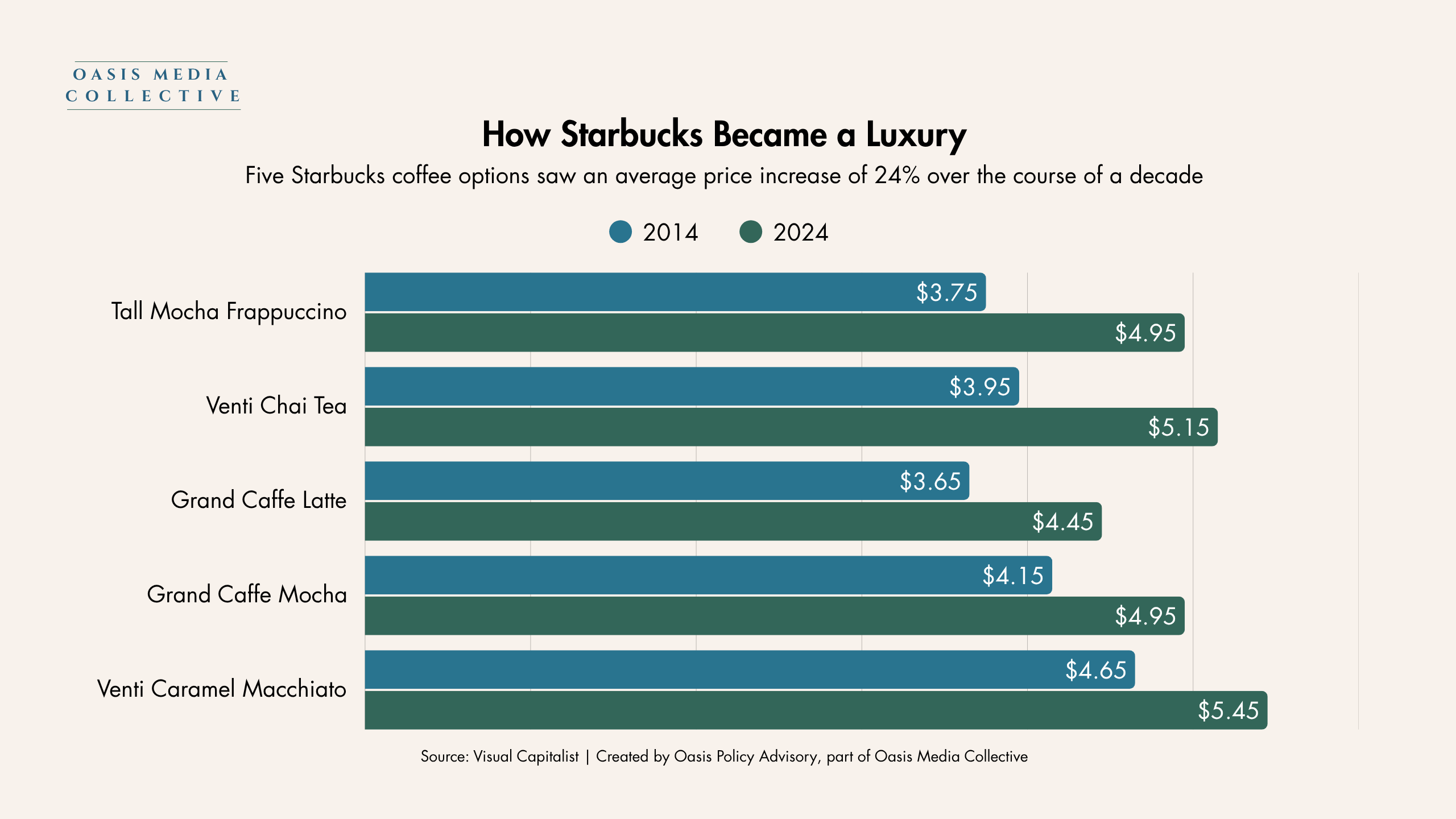
Prices are already stretched: coffee hit a historic high of 325 cents per pound in 2025, according to the International Coffee Organization (ICO). Take a quick look at Starbucks, too: the Tall Mocha Frappuccino has jumped over 30% from 2014 to 2024. A new war in one of coffee’s most important producers could push prices higher still.
The Regional Powder Keg
The Horn of Africa is turning into a tinderbox, and Ethiopia sits at its center. If war returns, the risk of it dragging in the wider region isn’t far-fetched.
And if it does, you might want to swap the car for an EV, and the coffee for matcha.
TL;DR: Ethiopian rebel factions have formed a coalition to topple the government, and fighting has already broken out in the north. With Ethiopia’s Eritrea standoff, Sudan spillover, and grip on Red Sea trade and global Arabica supply, a renewed war risks becoming everyone’s problem, from oil prices to your coffee order.
Join the Collective decoding markets, policy, and power for the investors of today and tomorrow.
To partner with Oasis Media Collective, contact here.