

East Africa | EAC Faces Financial Crisis as Ruto Calls Emergency Summit to Overhaul Bloc's Funding
Oasis Media Collective | East Africa Wire | February 20, 2026

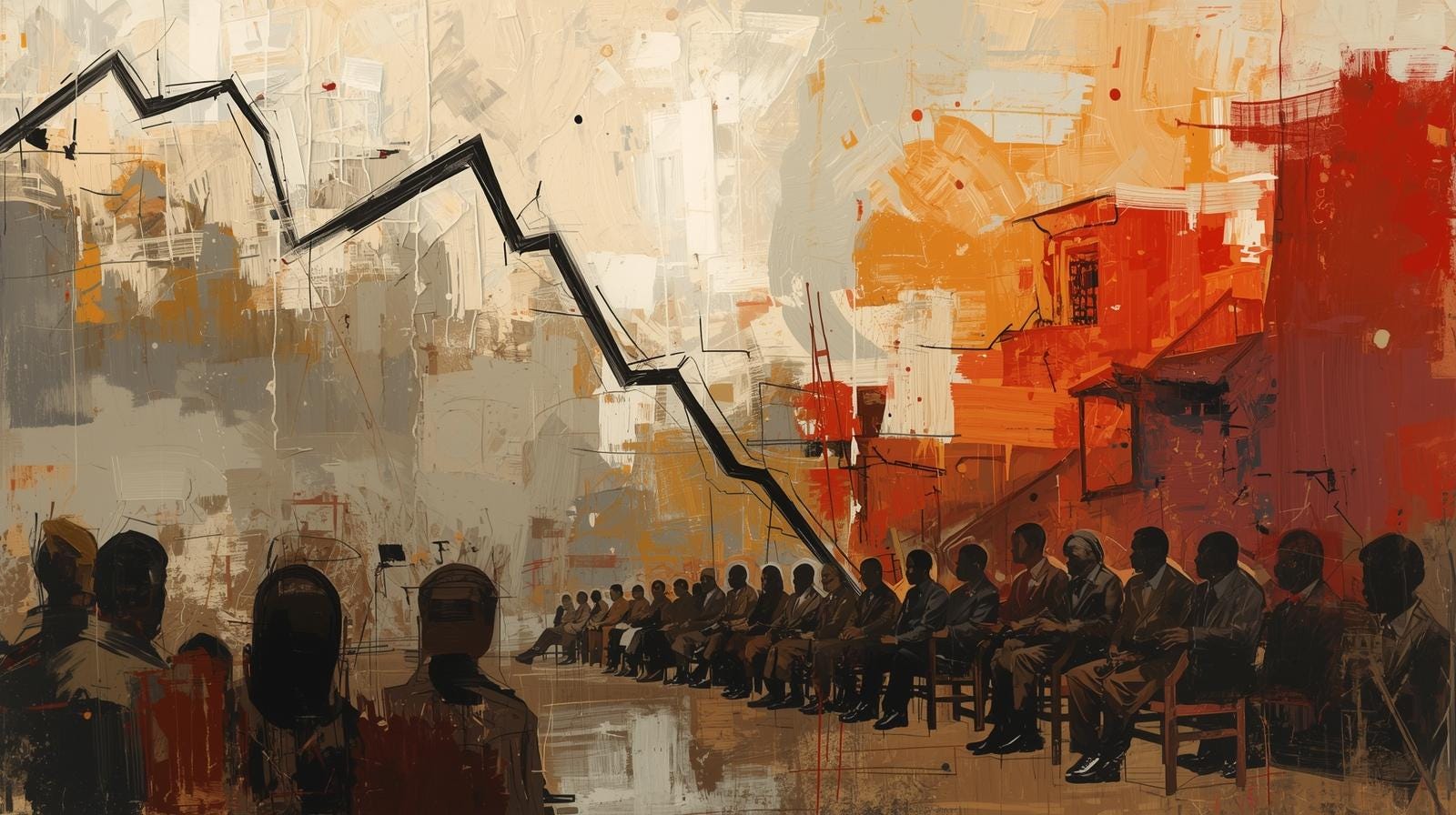
KEY FACTS
The EAC faces an $89.37 million budget shortfall, pushing core institutions toward operational paralysis
The crisis stems from an outdated equal-contribution formula that has proven unsustainable since the bloc expanded
Kenyan President Ruto has called an emergency Heads of State Summit in Arusha on March 7, where leaders will devise new payment strategies
Kenyan President William Ruto has convened an emergency Heads of State Summit in Arusha, Tanzania, on March 7 for the East African Community (EAC), the regional economic bloc. The aim of the summit is to address an $89.37 million budget shortfall that is pushing the bloc toward institutional paralysis.
When the EAC was initially formed in 1967 with only three founding members—Kenya, Tanzania, Uganda—member contributions were based on equal flat fees, allowing for manageable regular payments. However, since its establishment, the bloc has expanded, now including Burundi, the Democratic Republic of Congo (DRC), Rwanda, Somalia, and South Sudan, all economies of vastly different sizes and degrees of political volatility, making the equal-share formula unsustainable.
Of all the member states, only Kenya and Tanzania have thus far paid their full contributions for the current fiscal year. In contrast, the DRC has historically been among the largest defaulters, owing millions, while Burundi, Rwanda, and South Sudan have not fully remitted their contributions in prior years.
Such arrears have sparked delays in strategic activities. The East African Court of Justice and East African Legislative Assembly have both faced operational disruptions because of funding gaps, while key policy reforms and cross-border infrastructure initiatives are either stalled or significantly slowed. Not only has this sowed distrust among partner states, but it has also undermined public faith in EAC.
The Arusha meeting will likely see EAC leaders devise a new sustainable strategy for member contributions. Analysts speculate that the bloc could move from an equal flat fee to a GDP-based scaling framework, in which individual contributions are proportional to a country’s economic size. Such a model was proposed in 2023, although it was never implemented. The EAC Treaty also contains provisions allowing sanctions or even suspension for states that fail to pay dues, but these have rarely been acted upon; leaders may finally confront whether to operationalize these rules.
This reporting may be cited with attribution to Oasis Media Collective. For licensing, republication, or extended use, contact here.